
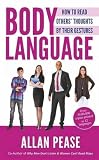
Body Language
by Allan Pease
Reading Profile
Should I read this?
Body Language reads like a brisk how-to handbook: short chapters, lots of concrete gestures to watch for, and anecdotal examples aimed at everyday, face-to-face interactions. The most useful part is the quick heuristics—what to notice in meetings, interviews, or social situations—presented in plain, nontechnical prose. The main limitation is repetition and pop-psych tone: claims are often broad, context glossed over, and empirical sourcing is minimal, so take specific diagnostic rules as prompts for attention rather than airtight conclusions.
Read this if...
- •a sales representative about to move back into in-person client meetings who needs quick, memorable signals to gauge rapport and interest
- •an HR interviewer prepping for face-to-face rounds who wants simple heuristics to spot discomfort, openness, or tension during interviews
- •an early-career manager running regular team meetings who wants fast reminders about posture, eye contact, and small adjustments that influence group dynamics
Skip this if...
- •you'll likely put it down when the same anecdote-and-list rhythm repeats and starts to feel unmoored from specific contexts; patience fades if you want careful sourcing
- •annoying if you prefer tight academic evidence or step-by-step practice—claims are presented as rules of thumb rather than rigorously supported findings
- •frustrating if you read for cultural nuance: many signals are treated as general rather than explored for cross-cultural variability
What people say is often very different from what they think or feel. Body language by Allan Pease is just what you require to know those feelings which people often try to hide. This book adds a new dimension to human communication.It is a must for anybody whose business or personal life involves facetoface interaction with other people. How to ...
Before You Buy
Reading Specifications
Difficulty:hard
Audience Fit
- a sales representative about to move back into in-person client meetings who needs quick, memorable signals to gauge rapport and interest
- an HR interviewer prepping for face-to-face rounds who wants simple heuristics to spot discomfort, openness, or tension during interviews
- an early-career manager running regular team meetings who wants fast reminders about posture, eye contact, and small adjustments that influence group dynamics
- you'll likely put it down when the same anecdote-and-list rhythm repeats and starts to feel unmoored from specific contexts; patience fades if you want careful sourcing
- annoying if you prefer tight academic evidence or step-by-step practice—claims are presented as rules of thumb rather than rigorously supported findings
- frustrating if you read for cultural nuance: many signals are treated as general rather than explored for cross-cultural variability
Check formats, pricing, and availability options for Kindle, physical print, or audiobooks directly.
View available editions on AmazonKey themes
Why recommended
appears in Body Language, Psychology, and Personal Development.
Recommendation Signals
Recommendation proof is sourced from public posts, interviews, reading lists, and cited references.
No verified recommendation proof available yet.
Appears In
Not sure if this is the right fit?
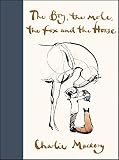
Consider The Boy, the Mole, the Fox and the Horse by Charlie Mackesy. Recommended by 8 sources.
“Soft-spoken, heavily illustrated fable built from short dialogues and watercolor sketches. Each spread pairs a spare line of text with a loose drawing, so the pleasure is visual and aphoristic rather than narrative; readers collect felt-true sentences more than plot. Most useful when you want quick consolations, a prompt for conversation with a child, or a pause during a rough day. Limiting if you want sustained argument, concrete advice, or tightly plotted storytelling: the repetition of gentleness can feel sentimental or thin after a while.”
Similar books
The Boy, the Mole, the Fox and the Horse
Charlie Mackesy
The World as It Is
Ben Rhodes
Out of Control
Kevin Kelly
The Bully Pulpit
Doris Kearns Goodwin
The Seven Spiritual Laws of Success
Deepak Chopra
Billions and Billions
Carl Sagan
Anger
Gary ChapmanFactfulness
Hans RoslingHow recommendation signals are reviewed
Each recommendation is collected from a public source — interviews, articles, or curated lists — and linked to its original URL. Books with many verifiable recommendations from respected people rank higher.