What I Learned About Making and Breaking Habitsto Sleep More, Quit Sugar, Procrastinate Less, and Generally Build a Happier Life
by Gretchen Rubin
Recommended by Darya Rose
Check price on AmazonRecommended by public sources
Amazon availability
A brisk, conversational guide to habit change built around personality-aware tactics and many concrete tweaks. Rubin gives decision rules and trigger-focused habits framed for different temperaments, backed by plentiful personal examples. The useful part: small, adaptable strategies you can test quickly. The limiting part: repeated anecdotes and editorial cheer dilute momentum, and the book isn't a densely footnoted, step-by-step manual, so readers wanting academic citation or practical drills may find it lightweight.
This summary and audience guidance are AI-generated from the book's description and its recommendation history, last updated June 2026. Recommendations, quotes and sources elsewhere on this page come from published material and are not generated.
New York Times BestsellerWashington Post Bestseller The author of the blockbuster New York Times bestsellers, The Happiness Project and Happier at Home, tackles the critical question: How do we change Gretchen Rubin's answer: through habits. Habits are the invisible Architecture, of everyday life. It takes work to make a habit, but once that hab...
Difficulty:easy
Check formats, pricing, and availability options for Kindle, physical print, or audiobooks directly.
View available editions on AmazonWhy recommended
Recommended by 1 source and appears in Psychology, Personal Development, and Social Sciences.
People and public figures who have recommended this book.
Recommendation proof is sourced from public posts, interviews, reading lists, and cited references.
Check formats, pricing, and availability options directly on Amazon.
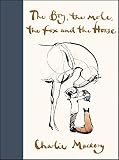
Consider The Boy, the Mole, the Fox and the Horse by Charlie Mackesy. Recommended by 8 sources.
“Soft-spoken, heavily illustrated fable built from short dialogues and watercolor sketches. Each spread pairs a spare line of text with a loose drawing, so the pleasure is visual and aphoristic rather than narrative; readers collect felt-true sentences more than plot. Most useful when you want quick consolations, a prompt for conversation with a child, or a pause during a rough day. Limiting if you want sustained argument, concrete advice, or tightly plotted storytelling: the repetition of gentleness can feel sentimental or thin after a while.”
Each recommendation is collected from a public source — interviews, articles, or curated lists — and linked to its original URL. Books with many verifiable recommendations from respected people rank higher.