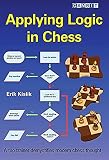
by Erik Kislik
Recommended by Dan Heisman
Check price on AmazonProof-backed recommendation
Amazon availability
Applying Logic in Chess presents a logic-driven method for deciding when an edge exists, how to convert it, and how to engineer psychologically awkward choices for an opponent. The book alternates conceptual argument with annotated positions; its useful part is forcing explicit decision criteria that sharpen evaluative discipline. Main limitation: chapters sometimes linger in extended, repetitive analytic threads and it offers few hands-on drills, so players who want immediate puzzle practice or lighter prose may find it slow-going.
This summary and audience guidance are AI-generated from the book's description and its recommendation history, last updated June 2026. Recommendations, quotes and sources elsewhere on this page come from published material and are not generated.
Shortlisted for the FIDE Book of the Year Award Is chess a logical game What constitutes an advantage in chess How can we set problems and create psychologically difficult situations for the opponent These are big questions, and Erik Kislik tackles them and others headon in this thoughtprovoking, thoroughly modern, and original work. He answer...
Difficulty:hard
Check formats, pricing, and availability options for Kindle, physical print, or audiobooks directly.
View available editions on AmazonWhy recommended
Recommended by 2 sources and appears in Most Recommended Books.
People and public figures who have recommended this book.
Recommendation proof is sourced from public posts, interviews, reading lists, and cited references.
Dan Heisman
American chess player
“I have added Kislic's Applying Logic in Chess to my Recommended Book page Don't be fooled by the title; it's actually a coach's "soup to nuts" recommendations/opinions for how talented players can progress to a very strong level. Comprehensive. #Chess”
Check formats, pricing, and availability options directly on Amazon.
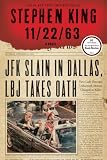
Consider 11/22/63 by Stephen King. Recommended by 4 sources.
“Starts as a lean, suspenseful time-travel premise that quickly settles into an immersive, character-focused saga. Its chief useful part is the way everyday 1960s small-town life and personal relationships make the historical stakes feel immediate; the novel rewards readers who relish atmosphere and slow moral puzzles. The main limitation is length and digressions—long domestic passages and episodic subplots stretch the middle and can undercut urgency for readers who wanted a tighter thriller.”
Each recommendation is collected from a public source — interviews, articles, or curated lists — and linked to its original URL. Books with many verifiable recommendations from respected people rank higher.