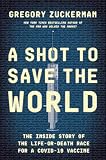
The Inside Story of the Life-or-Death Race for a COVID-19 Vaccine
by Gregory Zuckerman
Recommended by Patrick Collison and Samir Arora
Check price on AmazonProof-backed recommendation
Amazon availability
See customer reviews on Amazon →Zuckerman reconstructs the early pandemic-era sprint to develop vaccines and respiratory-disease countermeasures with scene-by-scene reporting, following companies, regulators, and public-health actors as decisions are made under pressure. What works best is granular, journalist-level detail about bottlenecks, pivots, and logistics that illuminate how product development sped up. The main limitation is a sustained focus on industry maneuvers and personalities, so technical readers seeking molecular immunology or readers wanting a systematic policy critique may find the treatment narrow and occasionally repetitive.
This summary and audience guidance are AI-generated from the book's description and its recommendation history, last updated June 2026. Recommendations, quotes and sources elsewhere on this page come from published material and are not generated.
Few were ready when a mysterious respiratory illness emerged in Wuhan, China in January 2020. Politicians, government officials, business leaders, and publichealth professionals were unprepared for the most devastating pandemic in a century. Many of the world’s biggest drug and vaccine makers were slow to react or couldn’t muster an effective resp...
Difficulty:hard
Check formats, pricing, and availability options for Kindle, physical print, or audiobooks directly.
View available editions on AmazonWhy recommended
Recommended by 3 sources and appears in Most Recommended Books.
People and public figures who have recommended this book.
Recommendation proof is sourced from public posts, interviews, reading lists, and cited references.
Check formats, pricing, and availability options directly on Amazon.
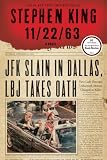
Consider 11/22/63 by Stephen King. Recommended by 4 sources.
“Starts as a lean, suspenseful time-travel premise that quickly settles into an immersive, character-focused saga. Its chief useful part is the way everyday 1960s small-town life and personal relationships make the historical stakes feel immediate; the novel rewards readers who relish atmosphere and slow moral puzzles. The main limitation is length and digressions—long domestic passages and episodic subplots stretch the middle and can undercut urgency for readers who wanted a tighter thriller.”
Each recommendation is collected from a public source — interviews, articles, or curated lists — and linked to its original URL. Books with many verifiable recommendations from respected people rank higher.