More Recommenders
Recommended by 3 notable people, including Tim O’Reilly and Tim O’Reilly
Check price on AmazonProof-backed recommendation
Amazon availability
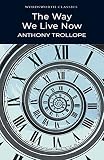
See customer reviews on Amazon →Trollope stages a large social novel around a financier's fraudulent railway schemes and the romantic entanglements that follow, mixing courtroom-style scandal scenes with drawn-out social observation. The pleasure comes from watching reputations wobble and characters scheme, gossip, and judge one another—plenty of plot turns and moral squabbles to discuss. The main limitation is tempo: chapters pause for extended asides about finance, rank, and propriety, testing readers who prefer compressed modern prose and fast payoff.
This summary and audience guidance are AI-generated from the book's description and its recommendation history, last updated June 2026. Recommendations, quotes and sources elsewhere on this page come from published material and are not generated.
Trollope's 1875 tale of a great financier's fraudulent machinations in the railway business, and his daughter's illuse at the hands of a grasping lover is a classic in the literature of money and a ripping good read as well....
Difficulty:hard
Check formats, pricing, and availability options for Kindle, physical print, or audiobooks directly.
View available editions on AmazonWhy recommended
Recommended by 4 sources and appears in Most Recommended Books and Fiction.
People and public figures who have recommended this book.
Recommendation proof is sourced from public posts, interviews, reading lists, and cited references.
Check formats, pricing, and availability options directly on Amazon.
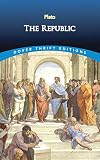
Consider The Republic by Plato. Recommended by 13 sources.
“Plato stages an extended Socratic conversation that moves from concrete questions about justice into broad proposals about an ideal city, the structure of the soul, and what counts as reality and knowledge. Reading alternates brisk question-and-answer snippets with long, cumulative demonstrations that reward careful attention and annotation. Main value: a wealth of thought experiments for testing political and ethical intuitions. Main limitation: repetitive refutations, long policy sketches and dense metaphysical passages can feel abstruse and slow; patience and some philosophical background help.”
Each recommendation is collected from a public source — interviews, articles, or curated lists — and linked to its original URL. Books with many verifiable recommendations from respected people rank higher.