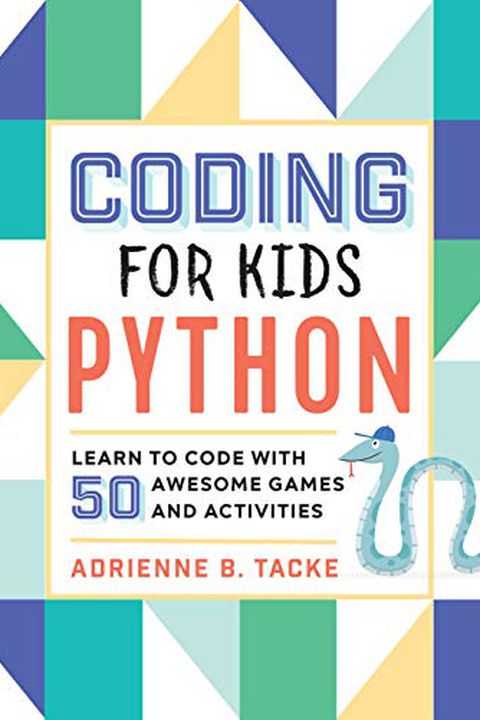
Python
by Adrienne Tacke
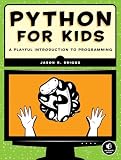
Adrienne Tacke delivers a bright, activity-first introduction to Python aimed at kids around ten and up, organized as fifty short, game-style projects. Instructions are concise, emphasize typing and tweaking code, and reward early wins with visible results. The practical payoff is immediate confidence and a pile of small playable programs. The main limitation is shallow conceptual depth: explanations rarely dig into underlying principles, and many activities reuse the same scaffolding, so older learners may crave more rigor.
This summary and audience guidance are AI-generated from the book's description and its recommendation history, last updated May 2026. Recommendations, quotes and sources elsewhere on this page come from published material and are not generated.
Python decoded for kids 50 fun activities to become a Programming, master. Learning to code is just like playing a new sport or practicing an instrument just get started! From the basic building blocks of Programming, to creating your very own games, this book teaches essential Python skills to kids ages 10 and up with 50 fun and engaging activities....
Difficulty:easy
Check formats, pricing, and availability options for Kindle, physical print, or audiobooks directly.
View available editions on AmazonWhy recommended
appears in Children's, Programming, and Fiction.
Recommendation proof is sourced from public posts, interviews, reading lists, and cited references.
No verified recommendation proof available yet.
Check formats, pricing, and availability options directly on Amazon.
Consider Dealers of Lightning by Michael A. Hiltzik. Recommended by 8 sources.
“Starts as a vivid inventory of inventors, projects, and lab culture at Xerox PARC, written in reporterly detail that foregrounds anecdotes and corporate memos. Main value is a textured sense of how early GUI, networking, and printing research happened and how personalities and management decisions shaped outcomes. Limitation: the narrative can dwell on minutiae and internal politics, slowing forward momentum and offering few clear takeaways for readers seeking practical lessons or modern startup playbooks. It reads like sustained magazine reporting, so detail-oriented readers are rewarded while those after a brisk how-to may be frustrated.”
Each recommendation is collected from a public source — interviews, articles, or curated lists — and linked to its original URL. Books with many verifiable recommendations from respected people rank higher.