More Recommenders

American author, journalist, activist, and professor of journalism (b. 1955)
Recommended by 3 notable people, including Richard Branson and Neil Gaiman
Check price on AmazonProof-backed recommendation
Amazon availability
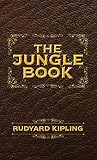
See customer reviews on Amazon →Rudyard Kipling's The Jungle Book is a collection of short, vividly staged animal tales centered on Mowgli's upbringing among wolves, encounters with Shere Khan, and a cast of memorable creatures. The stories move between brisk adventure set pieces and folkloric moral puzzles, making the book easy to read in episodes and excellent for aloud reading. Its useful part is the strong sense of place and striking scenes; its main limitation is antique diction and worldview that sit awkwardly with contemporary readers and moral expectations.
This summary and audience guidance are AI-generated from the book's description and its recommendation history, last updated June 2026. Recommendations, quotes and sources elsewhere on this page come from published material and are not generated.
Among the most popular children's books ever written, The Jungle Book (1894) comprises a series of stories about Mowgli, a boy raised in the jungle by a family of wolves after a tiger has attacked and driven off his parents. Threatened throughout much of his young life by the dreaded tiger Shere Khan, Mowgli is protected by his adoptive family and ...
Difficulty:hard
Check formats, pricing, and availability options for Kindle, physical print, or audiobooks directly.
View available editions on AmazonWhy recommended
Recommended by 5 sources and appears in Most Recommended Books and Fiction.
People and public figures who have recommended this book.
Recommendation proof is sourced from public posts, interviews, reading lists, and cited references.
Michael Pollan
American author, journalist, activist, and professor of journalism (b. 1955)
Recommended this book
Check formats, pricing, and availability options directly on Amazon.
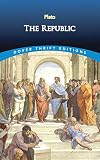
Consider The Republic by Plato. Recommended by 13 sources.
“Plato stages an extended Socratic conversation that moves from concrete questions about justice into broad proposals about an ideal city, the structure of the soul, and what counts as reality and knowledge. Reading alternates brisk question-and-answer snippets with long, cumulative demonstrations that reward careful attention and annotation. Main value: a wealth of thought experiments for testing political and ethical intuitions. Main limitation: repetitive refutations, long policy sketches and dense metaphysical passages can feel abstruse and slow; patience and some philosophical background help.”
Each recommendation is collected from a public source — interviews, articles, or curated lists — and linked to its original URL. Books with many verifiable recommendations from respected people rank higher.