Recommended by 3 notable people, including Richard Branson and Austen Allred
Check price on AmazonProof-backed recommendation
Amazon availability
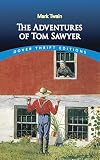
See customer reviews on Amazon →Starts as a brisk, episode-driven adventure following a prankish boy growing up along the Mississippi, with memorable set pieces — fence-painting, treasure hunts, a cave episode, and a courtroom scene. The book's clearest value is its portrait of childhood energy and small-town ritual, useful for sparking conversation about loyalty, courage, and the gap between play and consequence. Its main limitation is language and racial attitudes tied to the 1840s, which can feel uncomfortable without historical framing. The episodic structure also repeats motifs and slows the middle; best approached as lively period fiction rather than modern psychological realism.
This summary and audience guidance are AI-generated from the book's description and its recommendation history, last updated June 2026. Recommendations, quotes and sources elsewhere on this page come from published material and are not generated.
An adventure story for children, The Adventures of Tom Sawyer is a funfilled book that shows life along the Mississippi River in the 1840s. Written by Mark Twain, the book shows masterfullydone satire, racism, childhood, and the importance of loyalty and courage no matter the cost....
Difficulty:easy
Check formats, pricing, and availability options for Kindle, physical print, or audiobooks directly.
View available editions on AmazonWhy recommended
Recommended by 4 sources and appears in Most Recommended Books and Fiction.
People and public figures who have recommended this book.
Recommendation proof is sourced from public posts, interviews, reading lists, and cited references.
Check formats, pricing, and availability options directly on Amazon.
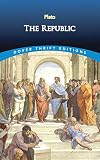
Consider The Republic by Plato. Recommended by 13 sources.
“Plato stages an extended Socratic conversation that moves from concrete questions about justice into broad proposals about an ideal city, the structure of the soul, and what counts as reality and knowledge. Reading alternates brisk question-and-answer snippets with long, cumulative demonstrations that reward careful attention and annotation. Main value: a wealth of thought experiments for testing political and ethical intuitions. Main limitation: repetitive refutations, long policy sketches and dense metaphysical passages can feel abstruse and slow; patience and some philosophical background help.”
Each recommendation is collected from a public source — interviews, articles, or curated lists — and linked to its original URL. Books with many verifiable recommendations from respected people rank higher.