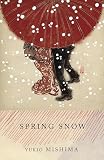
The Sea of Fertility, 1
by Yukio Mishima
Recommended by Book Recommendations (43 Books)
Check price on AmazonProof-backed recommendation
Amazon availability
An atmospheric, slow-moving historical novel set in 1912 Tokyo, told as a reflective first-person account that follows a breach in an insular aristocratic world and a lingering metaphysical thread. What works best is immersion: extended scenes of etiquette, seasonal detail, and private longing build a precise social texture and moral pressure. Main limitation is pacing and reiteration — long interior passages and ritualistic description can feel repetitive and resist skimming. Best approached when you can read deliberately and savor language over plot.
This summary and audience guidance are AI-generated from the book's description and its recommendation history, last updated June 2026. Recommendations, quotes and sources elsewhere on this page come from published material and are not generated.
Yukio Mishimas Spring Snow is the first novel in his masterful tetralogy, The Sea of Fertility. Here we meet Shigekuni Honda, who narrates this epic tale of what he believes are the successive reincarnations of his friend, Kiyoaki Matsugae. It is 1912 in Tokyo, and the hermetic world of the ancient aristocracy is being breached for the first time ...
Difficulty:hard
Check formats, pricing, and availability options for Kindle, physical print, or audiobooks directly.
View available editions on AmazonWhy recommended
Recommended by 2 sources and appears in Historical Fiction, Most Recommended Books, and Fiction.
People and public figures who have recommended this book.
Recommendation proof is sourced from public posts, interviews, reading lists, and cited references.
Check formats, pricing, and availability options directly on Amazon.
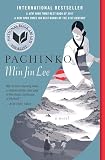
Consider Pachinko by Min Jin Lee. Recommended by 11 sources.
“Begins close to Sunja’s life and then stretches across generations to track a Korean family living in Japan, alternating intimate domestic scenes with broader historical pressures. Its useful part is the sustained emotional accumulation: small acts of endurance and sacrifice pile up into a textured portrait of belonging, exile, and family duty. Its main limitation is scope and pacing—repeated setbacks and many named characters can feel relentless, and long historical stretches slow the momentum for readers who want tighter plotting.”
Each recommendation is collected from a public source — interviews, articles, or curated lists — and linked to its original URL. Books with many verifiable recommendations from respected people rank higher.