More Recommenders

Actor and activist
Recommended by 9 notable people, including Barack Obama and Sophie Bakalar
Check price on AmazonRecommended by public sources
Amazon availability
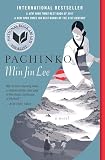
See customer reviews on Amazon →Begins close to Sunja’s life and then stretches across generations to track a Korean family living in Japan, alternating intimate domestic scenes with broader historical pressures. Its useful part is the sustained emotional accumulation: small acts of endurance and sacrifice pile up into a textured portrait of belonging, exile, and family duty. Its main limitation is scope and pacing—repeated setbacks and many named characters can feel relentless, and long historical stretches slow the momentum for readers who want tighter plotting.
This summary and audience guidance are AI-generated from the book's description and its recommendation history, last updated May 2026. Recommendations, quotes and sources elsewhere on this page come from published material and are not generated.
In the early 1900s, teenaged Sunja, the adored daughter of a crippled fisherman, falls for a wealthy stranger at the seashore near her home in Korea. He promises her the world, but when she discovers she is pregnantand that her lover is marriedshe refuses to be bought. Instead, she accepts an offer of marriage from a gentle, sickly minister pas...
Difficulty:hard
Check formats, pricing, and availability options for Kindle, physical print, or audiobooks directly.
View available editions on AmazonWhy recommended
Recommended by 11 sources and appears in Books Recommended by CEOs, Historical Fiction, and Most Recommended Books.
People and public figures who have recommended this book.
Recommendation proof is sourced from public posts, interviews, reading lists, and cited references.
Check formats, pricing, and availability options directly on Amazon.
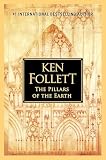
Consider The Pillars of the Earth by Ken Follett. Recommended by 5 sources.
“This sprawling, detail-rich historical novel follows cathedral builders, nobles, and townspeople across decades, delivering immersive scene-setting and a steady accumulation of plotlines. Its useful part is the sustained attention to craft—architecture, politics, rivalry—that makes the medieval world tangible. The main limitation is repetitive melodrama and swings in pacing: long, satisfying set pieces sit beside stretches that feel slow or contrived. Better read slowly rather than skimmed; readers who stick it out will find payoff in the concluding convergences.”
Each recommendation is collected from a public source — interviews, articles, or curated lists — and linked to its original URL. Books with many verifiable recommendations from respected people rank higher.