BookMentionsBookMentions
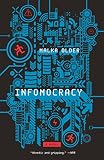
Infomocracy
3 recommendations

Infomocracy

Book One of the Centenal Cycle (The Centenal Cycle (1))

by Malka Older

Recommended by Daniel Pink and Josh Felser

Recommended by Daniel Pink and Josh Felser

Check price on Amazon

Proof-backed recommendation

Amazon availability

Reading Profile

Difficulty:easy
Themes:information monopoly vs voter choiceglobal scale vs local voice

Should I read this?

Infomocracy reads like a political technothriller built around a tight, high-stakes election in a world where a search-engine conglomerate has reorganized global governance into microdemocracies. what works best is sharp: brisk plotting, speculative worldbuilding about corporate-run voting, and scenes that force you to weigh information control against civic choice. The main limitation is occasional explanatory bulk—background and institutional detail pile up—and a tone that leans toward conceptual cleverness over deep character work, which may leave readers wanting more emotional stakes.

Read this if...

  • policy analyst at a digital-governance NGO preparing a briefing on platform influence—because the book sketches institutional mechanics and campaign tactics you can use as concrete talking points in scenarios.
  • sci-fi writer building a near-future political setting and needing a compact model of globalized elections—because the novel compresses governance innovations, voting logistics, and factional maneuvering into ready-made worldbuilding.
  • graduate student in political science researching speculative governance models for a seminar paper—because the story surfaces tradeoffs between centralized information power and distributed electoral choice you can cite as a narrative case study.

Skip this if...

  • You’ll likely put it down when the book hits long stretches of institutional exposition and invented terminology—that’s a common drop-off point for readers who want immediate character momentum.
  • Annoying if you prefer deep emotional character arcs: the emphasis is on systems and strategy rather than intimate personal development.
  • Lose interest if you want light escapism: the book stays idea-heavy and can feel dense or didactic during worldbuilding passages.

It's been twenty years and two election cycles since Information, a powerful search engine monopoly, pioneered the switch from warring nationstates to global microdemocracy. The corporate coalition party Heritage has won the last two elections. With another election on the horizon, the Supermajority is in tight contention, and everything's on the...

Before You Buy

Reading Specifications

Difficulty:easy

Themes:
information monopoly vs voter choiceglobal scale vs local voicecorporate governance vs public legitimacy

Audience Fit

Recommended for:
  • policy analyst at a digital-governance NGO preparing a briefing on platform influence—because the book sketches institutional mechanics and campaign tactics you can use as concrete talking points in scenarios.
  • sci-fi writer building a near-future political setting and needing a compact model of globalized elections—because the novel compresses governance innovations, voting logistics, and factional maneuvering into ready-made worldbuilding.
  • graduate student in political science researching speculative governance models for a seminar paper—because the story surfaces tradeoffs between centralized information power and distributed electoral choice you can cite as a narrative case study.
Not ideal if you want:
  • You’ll likely put it down when the book hits long stretches of institutional exposition and invented terminology—that’s a common drop-off point for readers who want immediate character momentum.
  • Annoying if you prefer deep emotional character arcs: the emphasis is on systems and strategy rather than intimate personal development.
  • Lose interest if you want light escapism: the book stays idea-heavy and can feel dense or didactic during worldbuilding passages.

Check formats, pricing, and availability options for Kindle, physical print, or audiobooks directly.

View available editions on Amazon

Key themes

information monopoly vs voter choiceglobal scale vs local voicecorporate governance vs public legitimacyelectoral spectacle vs policy substance

Why recommended

Recommended by 3 sources and appears in Cyberpunk, Most Recommended Books, and Science Fiction.

Recommended by notable people

People and public figures who have recommended this book.

Recommendation Signals

Recommendation proof is sourced from public posts, interviews, reading lists, and cited references.

J

Josh Felser

@balajis Given your beliefs, you may enjoy this good but not great book I enjoyed. Infomocracy: Book One of the Centenal Cycle
View sources (2) ▾80%

Appears In

Ready Player One
Try This Instead

Not sure if this is the right fit?

Consider Ready Player One by Ernest Cline. Recommended by 25 sources.

Ready Player One reads like a videogame in book form: fast, immersive, and packed with 80s pop-culture puzzles. Its main draw is a high-stakes treasure hunt set in a richly detailed virtual universe, appealing to anyone who loves geek culture. The constant references, however, can feel like a pop-culture checklist rather than storytelling, and characters remain thin. If you're not already steeped in early video games, movies, and music, you'll miss much of the fun. It's a nostalgic thrill ride that sacrifices depth for pure, unapologetic escapism.

Similar books

How recommendation signals are reviewed

Each recommendation is collected from a public source — interviews, articles, or curated lists — and linked to its original URL. Books with many verifiable recommendations from respected people rank higher.