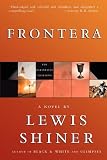
by Lewis Shiner
Frontera opens with a brisk, pulpy setup: after governments collapse, corporations run the world and Houston's Pulsystems sends an expedition to a lost Martian colony to find survivors. The novel reads like tech-noir, pairing action-driven rescue sequences with corporate intrigue and a seasoned space-program veteran who expects trouble. Its strongest asset is atmosphere and a propulsive premise; its recurring limitation is periodic exposition and politicking that slow momentum. Expect moral ambiguity and a cynical near-future tone that will please genre-first readers but frustrate those wanting hopeful SF.
This summary and audience guidance are AI-generated from the book's description and its recommendation history, last updated June 2026. Recommendations, quotes and sources elsewhere on this page come from published material and are not generated.
Ten years ago the world's governments collapsed, and now the corporations are in control. Houston's Pulsystems has sent an expedition to the lost Martian colony of Frontera to search for survivors. Reese, aging hero of the US space program, knows better. The colonists are not only alive, they have discovered a secret so devastating that the new rul...
Difficulty:hard
Check formats, pricing, and availability options for Kindle, physical print, or audiobooks directly.
View available editions on AmazonWhy recommended
appears in Science Fiction, Science, and Fiction.
Recommendation proof is sourced from public posts, interviews, reading lists, and cited references.
No verified recommendation proof available yet.
Check formats, pricing, and availability options directly on Amazon.
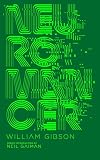
Consider Neuromancer by William Gibson. Recommended by 6 sources.
“Neuromancer opens at high speed: terse sentences, noir atmosphere, and worldbuilding dropped as image-heavy fragments rather than spelled-out explanation. Its useful part is concentrated atmosphere — layered sensory detail and economical action that make cyberspace feel immediate without long exposition. Its main limitation is deliberate opacity: invented slang, abrupt scene cuts, and characters who often remain coolly distant can leave the plot feeling elliptical and some emotional moments thin. Best read focused and willing to re-read passages for payoff.”
Each recommendation is collected from a public source — interviews, articles, or curated lists — and linked to its original URL. Books with many verifiable recommendations from respected people rank higher.