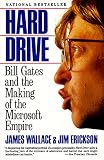
Bill Gates and the Making of the Microsoft Empire
by James Wallace



More Recommenders
American Internet entrepreneur
“I know of no other collections of interviews with founders. The closest you can get is probably books about specific startups. Hard Drive, about Microsoft, is good.”
Source →“I know of no other collections of interviews with founders. The closest you can get is probably books about specific startups. Hard Drive, about Microsoft, is good.”
Source →Recommended by 4 notable people, including Paul Graham and Charlie Munger
Check price on AmazonProof-backed recommendation
Amazon availability
See customer reviews on Amazon →Hard Drive reads like a close reporter’s portrait of an emerging software magnate: scene-setting, anecdote-rich, and driven more by personality and deal-by-deal drama than by macroeconomic analysis. Its most useful material is the granular reporting on negotiations, rivalries with larger hardware firms, and the personal quirks that shaped aggressive business tactics. The main limitation is repetition and an anecdotal tone that can feel gossipy or thin on sourcing; readers seeking analytical, data-driven treatment of industry trends will probably be disappointed.
This summary and audience guidance are AI-generated from the book's description and its recommendation history, last updated May 2026. Recommendations, quotes and sources elsewhere on this page come from published material and are not generated.
This biography chronicles William Gates' rise as the most powerful player in the computer industrya man who has revolutionized the software industry with the incredible growth of his Microsoft company, that now threatens gigantic IBM. Reveals Gates' personal quirks and idiosyncrasies which helped fuel his fierce competitive spirit. Interviews Gat...
Difficulty:hard
Check formats, pricing, and availability options for Kindle, physical print, or audiobooks directly.
View available editions on AmazonWhy recommended
Recommended by 7 sources and appears in Books Recommended by Paul Graham, Biographies, and Most Recommended Books.
People and public figures who have recommended this book.
Recommendation proof is sourced from public posts, interviews, reading lists, and cited references.
Paul Graham
Co-founder of Y Combinator; essayist
“I know of no other collections of interviews with founders. The closest you can get is probably books about specific startups. Hard Drive, about Microsoft, is good.”
Check formats, pricing, and availability options directly on Amazon.
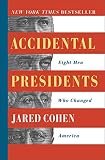
Consider Accidental Presidents by Jared Cohen. Recommended by 10 sources.
“Accidental Presidents offers eight narrative portraits of men who succeeded to the U.S. presidency without election, using anecdote-rich scenes and readable context to show how personality and circumstance interact with office power. It’s strongest as a set of self-contained stories that make succession stakes concrete for non-specialist readers; it does not prioritize dense archival argument or exhaustive methodology, so expect some interpretive generalizations and repeated themes across cases. Use it for fast historical orientation rather than scholarly deep-dives.”

Each recommendation is collected from a public source — interviews, articles, or curated lists — and linked to its original URL. Books with many verifiable recommendations from respected people rank higher.