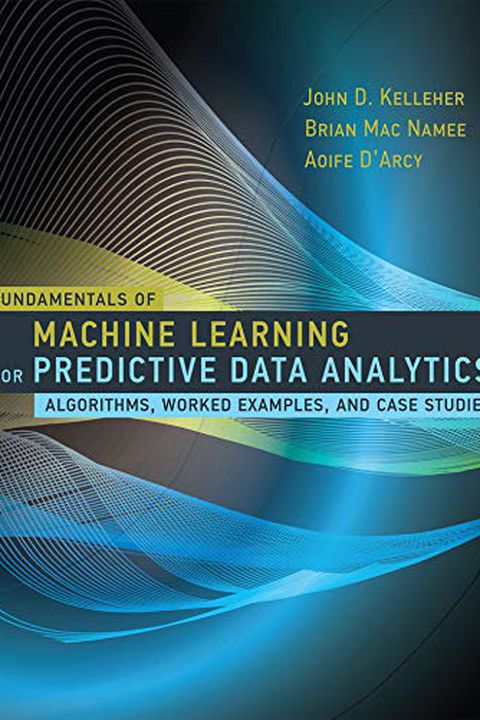
Algorithms, Worked Examples, and Case Studies (The MIT Press)
by John D. Kelleher
Systematic, course-style introduction to core predictive-machine-learning methods and their evaluation, mixing mathematical description, algorithm sketches, and applied examples. Useful when you need to understand method assumptions, error sources, and how algorithms differ in practice rather than just following copy-paste code. It favors formulas, derivations, and comparative discussion over step-by-step programming walkthroughs, so expect conceptual rigor and fewer runnable examples; readers wanting a light, nontechnical survey or hands-on notebooks will feel it is too formal.
This summary and audience guidance are AI-generated from the book's description and its recommendation history, last updated June 2026. Recommendations, quotes and sources elsewhere on this page come from published material and are not generated.
A comprehensive introduction to the most important machine learning approaches used in predictive data analytics, covering both theoretical concepts and practical applications.Machine learning is often used to build predictive models by extracting patterns from large datasets. These models are used in predictive data analytics applications includin...
Difficulty:hard
Check formats, pricing, and availability options for Kindle, physical print, or audiobooks directly.
View available editions on AmazonRecommendation proof is sourced from public posts, interviews, reading lists, and cited references.
No verified recommendation proof available yet.
Check formats, pricing, and availability options directly on Amazon.
Consider AI Superpowers by Kaifu Lee. Recommended by 20 sources.
“This book reads like a well-connected technologist’s urgent TED talk, blending personal career story, startup anecdotes, and macro predictions. What works best is a clear, alarm-bell view of China’s rapid AI rise and the coming job displacement, with tangible data and sector breakdowns. You’ll likely find it useful as a conversation starter or trend snapshot. But it often oversimplifies complex geopolitical and ethical tensions into a binary rivalry, and the determined optimism can feel boosterish. The tone may grate if you prefer nuanced, academic treatments or worry about the author’s business interests shaping the narrative.”

Each recommendation is collected from a public source — interviews, articles, or curated lists — and linked to its original URL. Books with many verifiable recommendations from respected people rank higher.