BookMentionsBookMentions
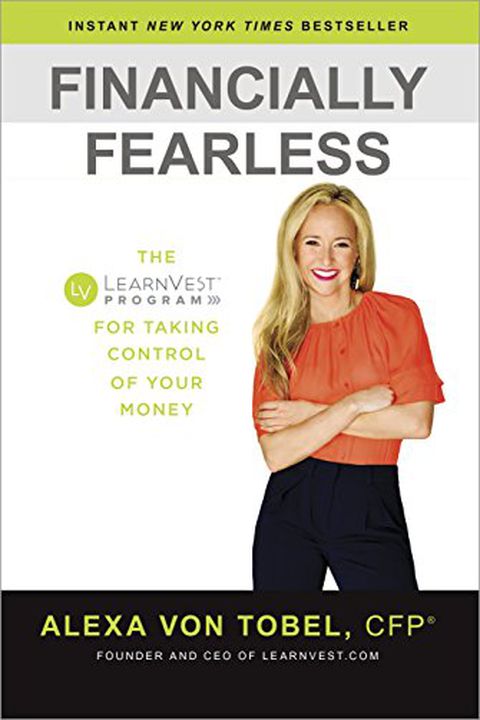
Financially Fearless

Financially Fearless

The LearnVest Program for Taking Control of Your Money

by Alexa von Tobel

Check price on Amazon

Proof-backed recommendation

Amazon availability

Reading Profile

Difficulty:hard
Themes:values-based budgeting vs austerityeveryday spending vs long-term saving

Should I read this?

Financially Fearless offers a brisk, conversational personal-finance primer that privileges a values-first approach over austerity. Early chapters focus on realistic budgets, emergency funds, debt-payoff sequencing, and small habit changes that fit ordinary lives. Its clearest value is checklist-style advice and a tone that lowers money shame while keeping goals in view. Annoyances crop up: investment and tax discussions remain high-level, several anecdotes rephrase the same point, and advanced readers will miss technical calculations or downloadable models. Best used as a motivating starter, not a final reference for portfolio or tax planning.

Read this if...

  • recent college graduate starting a first full-time job with student loans and an active social life — helps set realistic budgets, build an emergency fund, and create low-shame saving habits just as paychecks begin.
  • mid-level product manager preparing to buy their first home while keeping weekend travel and social spending — useful for prioritizing a down-payment goal and fitting a values-based spending plan into an already busy schedule.
  • freelancer or solo entrepreneur with irregular monthly income who needs simple systems to smooth cash flow and begin retirement saving without complex spreadsheets — offers plainspoken rules and starter routines that are easy to implement now.

Skip this if...

  • You want rigorous investing formulas, portfolio construction, or tax mechanics — you'll likely put it down when chapters describe investment basics without numbers or concrete allocations.
  • You prefer a dry, data-heavy manual — upbeat anecdotes and pep talks can feel repetitive or patronizing, and the anecdote-heavy middle tends to drag.
  • You were hoping for hands-on tools and downloadable spreadsheets — the book lacks detailed calculations or ready-made models for power users.

Finally, a financial plan that lets you be YOU, only richer.It's time to throw away all your old notions of what financial advice should look like. Because if you're looking for a book to put you on an austerity savings plan that has you giving up vacations and lattes, you're out of luck. But if you're looking to get your finances in rockhard shap...

Before You Buy

Reading Specifications

Difficulty:hard

Themes:
values-based budgeting vs austerityeveryday spending vs long-term savingapproachable advice vs technical depth

Audience Fit

Recommended for:
  • recent college graduate starting a first full-time job with student loans and an active social life — helps set realistic budgets, build an emergency fund, and create low-shame saving habits just as paychecks begin.
  • mid-level product manager preparing to buy their first home while keeping weekend travel and social spending — useful for prioritizing a down-payment goal and fitting a values-based spending plan into an already busy schedule.
  • freelancer or solo entrepreneur with irregular monthly income who needs simple systems to smooth cash flow and begin retirement saving without complex spreadsheets — offers plainspoken rules and starter routines that are easy to implement now.
Not ideal if you want:
  • You want rigorous investing formulas, portfolio construction, or tax mechanics — you'll likely put it down when chapters describe investment basics without numbers or concrete allocations.
  • You prefer a dry, data-heavy manual — upbeat anecdotes and pep talks can feel repetitive or patronizing, and the anecdote-heavy middle tends to drag.
  • You were hoping for hands-on tools and downloadable spreadsheets — the book lacks detailed calculations or ready-made models for power users.

Check formats, pricing, and availability options for Kindle, physical print, or audiobooks directly.

View available editions on Amazon

Key themes

values-based budgeting vs austerityeveryday spending vs long-term savingapproachable advice vs technical depthsmall habits vs big-change plans

Why recommended

appears in Finance, Personal Finance, and Finance.

Recommendation Signals

Recommendation proof is sourced from public posts, interviews, reading lists, and cited references.

No verified recommendation proof available yet.

Appears In

The Undoing Project
Try This Instead

Not sure if this is the right fit?

Consider The Undoing Project by Michael Lewis. Recommended by 18 sources.

Michael Lewis chronicles the friendship and intellectual partnership of Daniel Kahneman and Amos Tversky, who championed the idea that cognitive biases shape our choices. The narrative reads like a buddy story, weaving their discoveries into personal anecdotes and the drama of their collaboration. You'll grasp key ideas—loss aversion, framing—through their story, but the book focuses on biography, not application. Helpful for understanding behavioral economics' origins; less useful if you want actionable advice. The emotional arc of their relationship can overshadow the science.

Similar books

How recommendation signals are reviewed

Each recommendation is collected from a public source — interviews, articles, or curated lists — and linked to its original URL. Books with many verifiable recommendations from respected people rank higher.

Financially Fearless

Financially Fearless

View on Amazon →