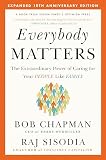
The Extraordinary Power of Caring for Your People Like Family
by Bob Chapman

Recommended by Simon Sinek
Check price on AmazonProof-backed recommendation
Amazon availability
Everybody Matters reads like a sustained plea for dignity-centered leadership built mostly from company stories and direct exhortation. Its most useful feature is a catalogue of everyday managerial scenes and decisions that supply language you can borrow to reframe culture conversations. Its chief limitation is repetition: similar moral examples recur and the book often privileges conviction over granular, step-by-step guidance. Readers seeking operational templates, metrics, or hands-on rollout plans will likely feel under-served. Better used as persuasive material than a technical manual.
This summary and audience guidance are AI-generated from the book's description and its recommendation history, last updated June 2026. Recommendations, quotes and sources elsewhere on this page come from published material and are not generated.
Much studied CEO Bob Chapman and bestselling author Raj Sisodia take on one of the greatest misconceptions of modern businessthat leadership starts with getting the right people on the bus (and the wrong people off). Real leader enable the people already on the bus to achieve extraordinary things. Too many companies focus only on producing the bes...
Difficulty:hard
Check formats, pricing, and availability options for Kindle, physical print, or audiobooks directly.
View available editions on AmazonWhy recommended
Recommended by 2 sources and appears in Most Recommended Books, Leadership, and Personal Development.
People and public figures who have recommended this book.
Recommendation proof is sourced from public posts, interviews, reading lists, and cited references.
Simon Sinek
British/American author and motivational speaker
“Bob Chapman's new book just came out! He is a remarkable example of how a company SHOULD run: putting people first”
Check formats, pricing, and availability options directly on Amazon.
Consider Good to Great by Jim Collins. Recommended by 32 sources.
“The book walks you through a multi-year research project, contrasting spectacular performers with mere survivors. The core insight—that sustained greatness hinges on disciplined people, thought, and action—feels sturdy and actionable. But the book’s arguments rely on retrospective selection of companies, and some of its darlings later faltered. You’ll find a methodical, almost monastic tone that rewards patience but may irritate if you want contemporary, tech-savvy lessons.”

Each recommendation is collected from a public source — interviews, articles, or curated lists — and linked to its original URL. Books with many verifiable recommendations from respected people rank higher.