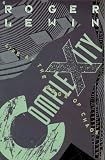
Life at the Edge of Chaos
by Roger Lewin
Recommended by Vlad Tenev and Vlad Zamfir
Check price on AmazonRecommended by public sources
Amazon availability
Roger Lewin writes in an accessible, narrative-driven style that surveys the rise of complexity across biology, physics, and computation. What works best is broad synthesis—Lewin stitches stories, models, and historical episodes into an intelligible map for curious, science-literate readers. Main limitation: depth varies; technical passages and metaphor-heavy sections coexist, so the book won't satisfy those wanting rigorous math or step-by-step methods. Some case studies and examples can feel dated, reducing immediacy for readers seeking current follow-ups.
This summary and audience guidance are AI-generated from the book's description and its recommendation history, last updated June 2026. Recommendations, quotes and sources elsewhere on this page come from published material and are not generated.
"Put together one of the world's best science writers with one of the universe's most fascinating subjects and you are bound to produce a wonderful book. . . . The subject of complexity is vital and controversial. This book is important and beautifully done."—Stephen Jay Gould"[Complexity] is that curious mix of complication and organization that w...
Difficulty:hard
Check formats, pricing, and availability options for Kindle, physical print, or audiobooks directly.
View available editions on AmazonWhy recommended
Recommended by 3 sources and appears in Math, Most Recommended Books, and Science.
People and public figures who have recommended this book.
Recommendation proof is sourced from public posts, interviews, reading lists, and cited references.
Check formats, pricing, and availability options directly on Amazon.
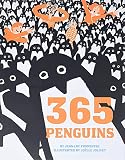
Consider 365 Penguins by JeanLuc Fromental.
“Bright, repetitive, and slyly absurd, 365 Penguins turns a simple counting premise into a steady comedic escalation: each day's added bird raises practical problems until the family's house—and patience—begin to creak. Best value is as a read-aloud or classroom counting prompt: kids can shout numbers, predict outcomes, and laugh at increasingly baroque solutions. Limitation: the repetition is deliberate but prolonged, and adults wanting narrative depth or varied pacing may find it wearing; character development is minimal and consequences stay light.”
Each recommendation is collected from a public source — interviews, articles, or curated lists — and linked to its original URL. Books with many verifiable recommendations from respected people rank higher.