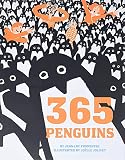
by JeanLuc Fromental
Bright, repetitive, and slyly absurd, 365 Penguins turns a simple counting premise into a steady comedic escalation: each day's added bird raises practical problems until the family's house—and patience—begin to creak. Best value is as a read-aloud or classroom counting prompt: kids can shout numbers, predict outcomes, and laugh at increasingly baroque solutions. Limitation: the repetition is deliberate but prolonged, and adults wanting narrative depth or varied pacing may find it wearing; character development is minimal and consequences stay light.
This summary and audience guidance are AI-generated from the book's description and its recommendation history, last updated June 2026. Recommendations, quotes and sources elsewhere on this page come from published material and are not generated.
The penguins are back, in a new format and with a fresh new cover! The family in 365 Penguins finds a penguin mysteriously delivered to their door every day for a year. At first they?re cute, but with every passing day, the penguins pile up?along with the family?s problems. Feeding, cleaning, and housing the penguins becomes a monumental task. They...
Difficulty:hard
Check formats, pricing, and availability options for Kindle, physical print, or audiobooks directly.
View available editions on AmazonWhy recommended
appears in Math, Math Science, and Children's.
Recommendation proof is sourced from public posts, interviews, reading lists, and cited references.
No verified recommendation proof available yet.
Check formats, pricing, and availability options directly on Amazon.
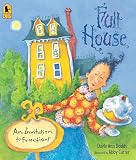
Consider Full House by Dayle Ann Dodds.
“Full House by Dayle Ann Dodds is a bright, sing-song picture book set in the Strawberry Inn where guests arrive until every room is full; the rhyming text and busy, whimsical art make it an easy read-aloud that nudges toward simple fraction ideas through counting and sharing. Its useful part is creating a playful, memorable frame for introducing halves and quarters without heavy exposition. Limitation: math remains implicit and adults looking for precise teaching language or practice prompts will find it thin.”
Each recommendation is collected from a public source — interviews, articles, or curated lists — and linked to its original URL. Books with many verifiable recommendations from respected people rank higher.