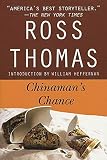
by Ross Thomas
Recommended by Andy Greenwald
Check price on AmazonProof-backed recommendation
Amazon availability
Begins with a dead pelican on a beach and an odd inciting image that sets a playful, slightly crooked tone. Dialogue tends toward dry, knowing banter and the story unfolds as a caper stitched from clever set pieces rather than relentless tension, so the main pleasure is voice and character interplay. The limitation is pacing: the middle stretches with episodic asides that may feel indulgent, so readers expecting lean suspense may find the stakes underplayed.
This summary and audience guidance are AI-generated from the book's description and its recommendation history, last updated June 2026. Recommendations, quotes and sources elsewhere on this page come from published material and are not generated.
"It was while jogging along the beach just east of the Paradise Cove pier that Artie Wu tripped over a dead pelican, fell, and met the man with six greyhounds." from Chinaman's ChanceThus begins what may be the most popular of Ross Thomas's unique stories. The combination of Wu, pretender to the Imperial throne of China, and Quincy Durant, who has...
Difficulty:hard
Check formats, pricing, and availability options for Kindle, physical print, or audiobooks directly.
View available editions on AmazonWhy recommended
Recommended by 2 sources and appears in Most Recommended Books, Thriller & Suspense, and Mystery & Crime.
People and public figures who have recommended this book.
Recommendation proof is sourced from public posts, interviews, reading lists, and cited references.
Andy Greenwald
“THIS COULD BE YOU. (My favorite book, that is. The beach is optional.)”
Check formats, pricing, and availability options directly on Amazon.
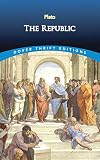
Consider The Republic by Plato. Recommended by 13 sources.
“Plato stages an extended Socratic conversation that moves from concrete questions about justice into broad proposals about an ideal city, the structure of the soul, and what counts as reality and knowledge. Reading alternates brisk question-and-answer snippets with long, cumulative demonstrations that reward careful attention and annotation. Main value: a wealth of thought experiments for testing political and ethical intuitions. Main limitation: repetitive refutations, long policy sketches and dense metaphysical passages can feel abstruse and slow; patience and some philosophical background help.”
Each recommendation is collected from a public source — interviews, articles, or curated lists — and linked to its original URL. Books with many verifiable recommendations from respected people rank higher.