Wyman Ford, Book 2
by Douglas Preston
Recommended by Donald Knuth
Check price on AmazonProof-backed recommendation
Amazon availability
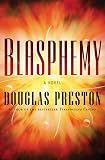
Blasphemy moves at thriller speed, centering a mountain-sized collider called the Torus in a plot that treats speculative physics as spectacle. Pacing is the novel’s main asset: short chapters and big set pieces sustain momentum and keep scenes feeling urgent. The useful part is straightforward entertainment—readers who enjoy engineered jeopardy and machine-driven peril get steady payoff. The book’s limits are repetitive technical exposition and limited character depth, where procedural detail often overshadows psychological development.
This summary and audience guidance are AI-generated from the book's description and its recommendation history, last updated June 2026. Recommendations, quotes and sources elsewhere on this page come from published material and are not generated.
The world's biggest supercollider, locked in an Arizona mountain, was built to reveal the secrets of the very moment of creation: the Big Bang itself.The Torus is the most expensive machine ever created by humankind, run by the world’s most powerful supercomputer. It is the brainchild of Nobel Laureate William North Hazelius. Will the Torus divulge...
Difficulty:hard
Check formats, pricing, and availability options for Kindle, physical print, or audiobooks directly.
View available editions on AmazonWhy recommended
Recommended by 2 sources and appears in Most Recommended Books, Thriller & Suspense, and Mystery & Crime.
People and public figures who have recommended this book.
Recommendation proof is sourced from public posts, interviews, reading lists, and cited references.
Donald Knuth
“The best novel to deal with "science versus religion" that I've ever encountered.”
Check formats, pricing, and availability options directly on Amazon.
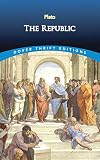
Consider The Republic by Plato. Recommended by 13 sources.
“Plato stages an extended Socratic conversation that moves from concrete questions about justice into broad proposals about an ideal city, the structure of the soul, and what counts as reality and knowledge. Reading alternates brisk question-and-answer snippets with long, cumulative demonstrations that reward careful attention and annotation. Main value: a wealth of thought experiments for testing political and ethical intuitions. Main limitation: repetitive refutations, long policy sketches and dense metaphysical passages can feel abstruse and slow; patience and some philosophical background help.”
Each recommendation is collected from a public source — interviews, articles, or curated lists — and linked to its original URL. Books with many verifiable recommendations from respected people rank higher.