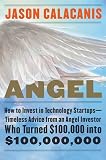
How to Invest in Technology, Startups--Timeless Advice from an Angel Investor Who Turned $100,000 into $100,000,000
by Jason Calacanis
Recommended by public sources
Amazon availability
Angel reads like a blunt, nuts-and-bolts field guide from Jason Calacanis: short chapters packed with deal anecdotes, concrete checklist-style rules, and strong opinions about what signals matter when backing founders. What works best is actionable signaling—what to notice fast and why certain founder traits attract early checks. The main limitation is tone and evidence: personal stories and advocacy for conviction-driven bets often outnumber systematic data or counterexamples. Not a hands-on course—few exercises, mostly narrative.
This summary and audience guidance are AI-generated from the book's description and its recommendation history, last updated June 2026. Recommendations, quotes and sources elsewhere on this page come from published material and are not generated.
One of Silicon Valley’s most successful angel investors shares his rules for investing in startups.There are two ways to make money in startups: create something valuable—or invest in the people that are creating valuable things.Over the past twentyfive years, Jason Calacanis has made a fortune investing in creators, spotting and helping build and...
Difficulty:hard
Check formats, pricing, and availability options for Kindle, physical print, or audiobooks directly.
View available editions on AmazonWhy recommended
Recommended by 2 sources and appears in Entrepreneurship, Finance, and Business.
People and public figures who have recommended this book.
Recommendation proof is sourced from public posts, interviews, reading lists, and cited references.
Check formats, pricing, and availability options directly on Amazon.
Consider The Undoing Project by Michael Lewis. Recommended by 18 sources.
“Michael Lewis chronicles the friendship and intellectual partnership of Daniel Kahneman and Amos Tversky, who championed the idea that cognitive biases shape our choices. The narrative reads like a buddy story, weaving their discoveries into personal anecdotes and the drama of their collaboration. You'll grasp key ideas—loss aversion, framing—through their story, but the book focuses on biography, not application. Helpful for understanding behavioral economics' origins; less useful if you want actionable advice. The emotional arc of their relationship can overshadow the science.”


Each recommendation is collected from a public source — interviews, articles, or curated lists — and linked to its original URL. Books with many verifiable recommendations from respected people rank higher.