
Economic Development
Topic List15 books curated78 recommendations totalA curated collection of books related to Economic Development, ranked by recommendation signals.
Ten Reasons We're Wrong About the Worldand Why Things Are Better Than You Think
Readers of Factfulness: Ten Reasons We're Wrong About the World--and Why Things Are Better Than You Think seeking engagement for all reading groups can gain further insight with this essential resource as a guide to aid your discussions. New York Times bestselling book Factfulness: Ten Reasons We're Wrong About the World--and Why Things Are Better Than You Think is written by the global TED phenomenon Hans Rosling. He defines factfulness as 'the stress-reducing habit of only carrying opinions for which you have strong supporting facts.' In Factfulness, Rosling, a Professor of International Health, offers a radically new explanation to the simple questions about global trends. He explains why this happens. He also reveals the ten instincts that collectively distort our perspective. Bill Gates says that Factfulness: Ten Reasons We're Wrong About the World--and Why Things Are Better Than You Think is "one of the most important books I've ever read." Gates says that this book is "an indispensable guide to thinking clearly about the world." In this comprehensive look into Factfulness: Ten Reasons We're Wrong About the World--and Why Things Are Better Than You Think, you'll be equipped to prepare with the following: Discussion aid which includes a wealth of prompts and information Overall plot synopsis and author biography Thought-provoking discussion questions for a deeper examination Creative exercises to foster alternate "if this was you" discussions And much more! Note to readers: This is a companion guide based on Factfulness: Ten Reasons We're Wrong About the World--and Why Things Are Better Than You Think. This is meant to enhance and aid your reading experience, not to replace it. We strongly encourage you to purchase the original book before purchasing this unofficial companion guide.

An Inquiry into the Nature and Causes of the Wealth of Nations, generally referred to by its shortened title The Wealth of Nations, is the magnum opus of the Scottish economist and moral philosopher Adam Smith. First published in 1776, the book offers one of the world's first collected descriptions of what builds nations' wealth, and is today a fun...
A Rogue Economist Explores the Hidden Side of Everything (P.S.)
Steven D. Levitt and Stephen J. Dubner offer the longawaited paperback edition of Freakonomics, the runaway bestseller, including six Freakonomics columns from the New York Times Magazine and a Q & A with the authors.Which is more dangerous, a gun or a swimming poolWhat do schoolteachers and sumo wrestlers have in commonHow much do parents reall...
Why Capitalism Triumphs in the West and Fails Everywhere Else
"The hour of capitalism's greatest triumph," writes Hernando de Soto, "is, in the eyes of fourfifths of humanity, its hour of crisis." In The Mystery of Capital, the worldfamous Peruvian economist takes up the question that, more than any other, is central to one of the most crucial problems the world faces today: Why do some countries succeed at...
Why Some Are So Rich and Some So Poor
The Wealth and Poverty of Nations is David S. Landes's acclaimed, bestselling exploration of one of the most contentious and hotly debated questions of our time: Why do some nations achieve economic success while others remain mired in poverty The answer, as Landes definitively illustrates, is a complex interplay of cultural mores and historical ...
How the World's Poor Live on $2 a Day
Nearly forty percent of humanity lives on an average of two dollars a day or less. If you've never had to survive on an income so small, it is hard to imagine. How would you put food on the table, afford a home, and educate your children How would you handle emergencies and old age Every day, more than a billion people around the world must answe...
Why the Poorest Countries are Failing and What Can Be Done About It
In the universally acclaimed and awardwinning The Bottom Billion, Paul Collier reveals that fifty failed stateshome to the poorest one billion people on Earthpose the central challenge of the developing world in the twenty-first century. The book shines muchneeded light on this group of small nations, largely unnoticed by the industrialized W...
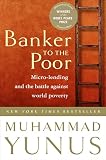
MicroLending and the Battle Against World Poverty
“Available recommendation signals cluster around Finance, NonFiction, Economic, Development, Entrepreneur lists, suggesting this book may fit readers looking for business judgment, leadership, or practical strategy. Treat this as discovery context, not a quality guarantee.”
By the winner of the 1998 Nobel Prize in Economics, an essential and paradigmaltering framework for understanding economic development?for both rich and poor?in the twenty-first century. Freedom, Sen argues, is both the end and most efficient means of sustaining economic life and the key to securing the general welfare of the world's entire popula...
Economic Possibilities for Our Time
List of books Bill Gates read in 2011.
Two prizewinning economists show how economics, when done right, can help us solve the thorniest social and political problems of our dayThe experience of the last decade has not been kind to the image of economists: asleep at the wheel (perhaps with the foot on the gas pedal) in the runup to the great recession, squabbling about how to get out o...
A Radical Rethinking of the Way to Fight Global Poverty
"Does a great job of bringing alive the complexities of poor people’s lives." - Bill Gates
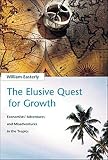
Economists' Adventures and Misadventures in the Tropics
Why economists' attempts to help poorer countries improve their economic wellbeing have failed.Since the end of World War II, economists have tried to figure out how poor countries in the tropics could attain standards of living approaching those of countries in Europe and North America. Attempted remedies have included providing foreign aid, inve...
Improving the Ways the World's Poor Borrow, Save, Farm, Learn, and Stay Healthy
Built from recommendation data, category signals, and source-backed book records. Use this list as a starting point; open any book to see proof, context, and Amazon options where available.
Explore more lists
About this list
This list aggregates books that appear in public recommendation sources, reader-interest signals, and category data. Books are ranked by their position from the source list; recommendation counts and ratings are shown where available. Open any book to see source-backed recommendation proof, editorial context, and Amazon options — the per-book detail page is where the trust signals live.