Recommended by 4 notable people, including Barack Obama and Jess Brammar
Check price on AmazonRecommended by public sources
Amazon availability
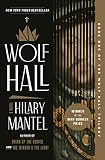
See customer reviews on Amazon →Wolf Hall reads like an intense, close-up study of a single mind moving through early-16th-century court life. The prose favors long, exact sentences and live-in-the-moment narration that turns political maneuvering into tightening scenes. Most useful: the way small gestures, household detail and legal moves stage power. Limitation: the focus is narrow, pace can stall in rumination, and perceptual closeness sometimes sacrifices broader context or straightforward chronology — readers wanting speed or variety of perspective may grow impatient.
This summary and audience guidance are AI-generated from the book's description and its recommendation history, last updated May 2026. Recommendations, quotes and sources elsewhere on this page come from published material and are not generated.
England in the 1520s is a heartbeat from disaster. If the king dies without a male heir, the country could be destroyed by civil war. Henry VIII wants to annul his marriage of twenty years, and marry Anne Boleyn. The pope and most of Europe opposes him. The quest for the king's freedom destroys his adviser, the brilliant Cardinal Wolsey, and leaves...
Difficulty:hard
Check formats, pricing, and availability options for Kindle, physical print, or audiobooks directly.
View available editions on AmazonWhy recommended
Recommended by 6 sources and appears in Historical Fiction, Most Recommended Books, and Fiction.
People and public figures who have recommended this book.
Recommendation proof is sourced from public posts, interviews, reading lists, and cited references.
Check formats, pricing, and availability options directly on Amazon.
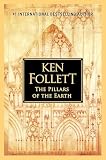
Consider The Pillars of the Earth by Ken Follett. Recommended by 5 sources.
“This sprawling, detail-rich historical novel follows cathedral builders, nobles, and townspeople across decades, delivering immersive scene-setting and a steady accumulation of plotlines. Its useful part is the sustained attention to craft—architecture, politics, rivalry—that makes the medieval world tangible. The main limitation is repetitive melodrama and swings in pacing: long, satisfying set pieces sit beside stretches that feel slow or contrived. Better read slowly rather than skimmed; readers who stick it out will find payoff in the concluding convergences.”
Each recommendation is collected from a public source — interviews, articles, or curated lists — and linked to its original URL. Books with many verifiable recommendations from respected people rank higher.