by A. A. Milne
Recommended by Gabor Maté
Check price on AmazonProof-backed recommendation
Amazon availability
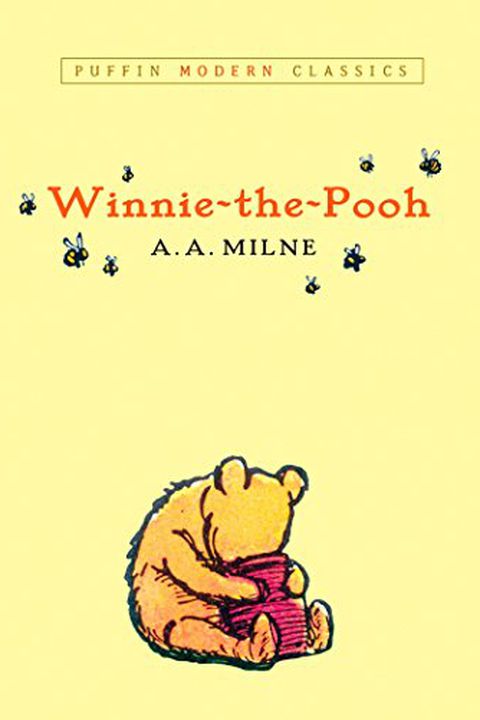
Winnie-thePooh by A. A. Milne is a collection of small, whimsical episodes set around a child's imaginative circle of animal companions. The tone is conversational and quietly humorous, with many self-contained scenes that reward slow reading or read-aloud sessions. Main value: memorable lines and childlike logic that linger. Main limitation: episodic structure and leisurely pacing mean little forward drive, so readers seeking plot or contemporary briskness may find it repetitive or slow.
This summary and audience guidance are AI-generated from the book's description and its recommendation history, last updated May 2026. Recommendations, quotes and sources elsewhere on this page come from published material and are not generated.
For nearly seventy years, readers have been delighted by the adventures of Christopher Robin and his lovable friends. Paired with the perfectly suited drawings of Ernest H. Shepard, A.A. Milne's classic story continues to captivate children of all ages....
Difficulty:easy
Check formats, pricing, and availability options for Kindle, physical print, or audiobooks directly.
View available editions on AmazonWhy recommended
Recommended by 2 sources and appears in Childrens, Children's, and Fiction.
People and public figures who have recommended this book.
Recommendation proof is sourced from public posts, interviews, reading lists, and cited references.
Gabor Maté
“One of the seminal books of my childhood. What struck me about Pooh, of course, was that there was this bear of little brains who was so much wiser than everybody else.”
Check formats, pricing, and availability options directly on Amazon.
Consider The Republic by Plato. Recommended by 13 sources.
“Plato stages an extended Socratic conversation that moves from concrete questions about justice into broad proposals about an ideal city, the structure of the soul, and what counts as reality and knowledge. Reading alternates brisk question-and-answer snippets with long, cumulative demonstrations that reward careful attention and annotation. Main value: a wealth of thought experiments for testing political and ethical intuitions. Main limitation: repetitive refutations, long policy sketches and dense metaphysical passages can feel abstruse and slow; patience and some philosophical background help.”
Each recommendation is collected from a public source — interviews, articles, or curated lists — and linked to its original URL. Books with many verifiable recommendations from respected people rank higher.