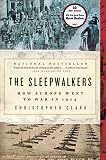
How Europe Went to War in 1914
by Christopher Clark
Recommended by public sources
Amazon availability
Reading moves between vivid, scene-driven openings and dense diplomatic reconstruction; what works best is a tightly sourced account that makes the assassination of Franz Ferdinand feel embedded in tangled alliances, nationalist pressures, and ministerial missteps. The book’s patient buildup and archival moments give granular sense of the political tempo of 1914. Limitation: long passages of bureaucratic detail and repetitious threads slow momentum, and the narrative assumes tolerance for many names, dates and cables rather than a breezy synthesis.
This summary and audience guidance are AI-generated from the book's description and its recommendation history, last updated June 2026. Recommendations, quotes and sources elsewhere on this page come from published material and are not generated.
The moments that it took Gavrilo Princip to step forward to the stalled car and shoot dead Franz Ferdinand and his wife were perhaps the most fateful of the modern era. An act of terrorism of staggering efficiency, it fulfilled its every aim: it would liberate Bosnia from Habsburg rule and it created a powerful new Serbia, but it also brought down ...
Difficulty:hard
Check formats, pricing, and availability options for Kindle, physical print, or audiobooks directly.
View available editions on AmazonWhy recommended
Recommended by 2 sources and appears in History and Nonfiction.
People and public figures who have recommended this book.
Recommendation proof is sourced from public posts, interviews, reading lists, and cited references.
Check formats, pricing, and availability options directly on Amazon.
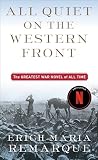
Consider All Quiet on the Western Front by Erich Maria Remarque. Recommended by 7 sources.
“Plain, economical prose drops you into frontline life and tracks the slow erosion of youthful enthusiasm into numbness. What works best is the intimate, day‑to‑day realism—small details of mud, fear, boredom and comradeship make the horror immediate. The main limitation is repetitiveness: similar episodes of bombardment, fatigue and brief leaves can blunt narrative momentum. Narrow viewpoint keeps wider politics offstage, so expect an emotionally draining, tightly focused portrait rather than a panoramic history.”
Each recommendation is collected from a public source — interviews, articles, or curated lists — and linked to its original URL. Books with many verifiable recommendations from respected people rank higher.