The History of the First World War
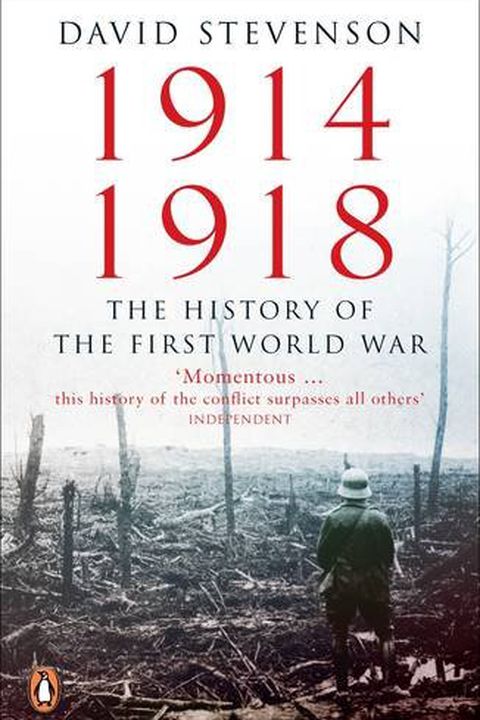
by D. Stevenson
Starts as a wide-angle survey of Europe’s slide into mass violence, with sustained attention to state decisions, alliances, and imperial collapse. Useful as a single-volume orientation to the political mechanics and long-term geopolitical consequences rather than as a collection of front-line human stories. The strength is in its synthetic reach; the limitation is frequent heavy chronology and policy-level argument that can feel abstract or repetitive for readers seeking scene-by-scene drama. Best read with patience for sustained analysis.
This summary and audience guidance are AI-generated from the book's description and its recommendation history, last updated May 2026. Recommendations, quotes and sources elsewhere on this page come from published material and are not generated.
In the summer of 1914 Europe exploded into a frenzy of mass violence. The war that followed had global repercussions, destroying four empires and costing millions of lives. Even the victorious countries were scarred for a generation, and we still today remain within the conflict's shadow. In this major new analysis, published some ninety years afte...
Difficulty:hard
Check formats, pricing, and availability options for Kindle, physical print, or audiobooks directly.
View available editions on AmazonWhy recommended
appears in History and Nonfiction.
Recommendation proof is sourced from public posts, interviews, reading lists, and cited references.
No verified recommendation proof available yet.
Check formats, pricing, and availability options directly on Amazon.
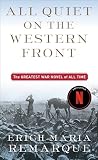
Consider All Quiet on the Western Front by Erich Maria Remarque. Recommended by 7 sources.
“Plain, economical prose drops you into frontline life and tracks the slow erosion of youthful enthusiasm into numbness. What works best is the intimate, day‑to‑day realism—small details of mud, fear, boredom and comradeship make the horror immediate. The main limitation is repetitiveness: similar episodes of bombardment, fatigue and brief leaves can blunt narrative momentum. Narrow viewpoint keeps wider politics offstage, so expect an emotionally draining, tightly focused portrait rather than a panoramic history.”
Each recommendation is collected from a public source — interviews, articles, or curated lists — and linked to its original URL. Books with many verifiable recommendations from respected people rank higher.