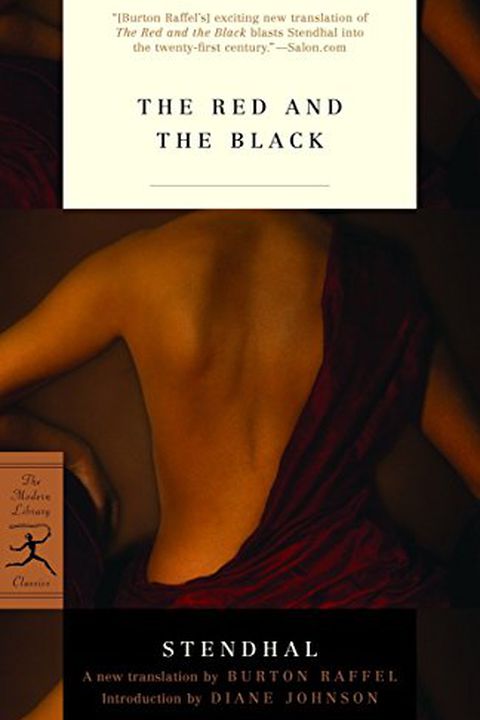
The red and the Black
A Chronicle of 1830
by 17831842 Stendhal
Reading Profile
Should I read this?
Reads as a long, sharply observed 19th-century French novel that tracks social ambition, hypocrisy and inner life. Its useful part is close psychological portraits and satirical scenes that expose rank-conscious society; it rewards patience with nuanced moral ambiguity and ironic narrator voice. Its main limitation is slow stretches of exposition, formal period prose, and frequent narrative digressions that blunt forward momentum; modern readers seeking quick plot payoff or hands-on lessons will find it prickly and slow.
Read this if...
- •a literature graduate student prepping a seminar on 19th-century narrative voice who needs ready excerpts of ironic, judgmental narration to annotate for next week's class — the novel contains long, analyzable passages and period social detail that work as seminar material now.
- •a high-school English teacher building a month-long unit on social class and moral ambiguity who wants a dense primary text to assign that forces close reading — using this novel this term gives students practice with formal prose and satirical scenes they can unpack over several class meetings.
- •a parent on leave or anyone with several uninterrupted afternoons who wants a slow, immersive read to occupy a week at home — the book's deliberate pacing and psychological depth reward long reading sessions rather than quick commutes or one-sitting skims.
Skip this if...
- •you'll likely put it down when long, formal descriptive sections and interior monologue repeatedly halt plot momentum — patience is required.
- •annoying if you prefer contemporary, conversational prose or brisk pacing; the period language and tonal distance make emotional access harder.
- •not for readers wanting practical takeaways, exercises, or a quick plot-driven story; it lacks hands-on guidance and moves at a reflective, sometimes digressive pace.
This work has been selected by scholars as being culturally important, and is part of the knowledge base of civilization as we know it. This work was reproduced from the original artifact, and remains as true to the original work as possible. Therefore, you will see the original copyright references, library stamps (as most of these works have been...
Before You Buy
Reading Specifications
Difficulty:hard
Audience Fit
- a literature graduate student prepping a seminar on 19th-century narrative voice who needs ready excerpts of ironic, judgmental narration to annotate for next week's class — the novel contains long, analyzable passages and period social detail that work as seminar material now.
- a high-school English teacher building a month-long unit on social class and moral ambiguity who wants a dense primary text to assign that forces close reading — using this novel this term gives students practice with formal prose and satirical scenes they can unpack over several class meetings.
- a parent on leave or anyone with several uninterrupted afternoons who wants a slow, immersive read to occupy a week at home — the book's deliberate pacing and psychological depth reward long reading sessions rather than quick commutes or one-sitting skims.
- you'll likely put it down when long, formal descriptive sections and interior monologue repeatedly halt plot momentum — patience is required.
- annoying if you prefer contemporary, conversational prose or brisk pacing; the period language and tonal distance make emotional access harder.
- not for readers wanting practical takeaways, exercises, or a quick plot-driven story; it lacks hands-on guidance and moves at a reflective, sometimes digressive pace.
Check formats, pricing, and availability options for Kindle, physical print, or audiobooks directly.
View available editions on AmazonKey themes
Why recommended
Recommended by 1 source and appears in About France and Fiction.
Recommended by notable people
People and public figures who have recommended this book.
Recommendation Signals
Recommendation proof is sourced from public posts, interviews, reading lists, and cited references.
Appears In

Not sure if this is the right fit?
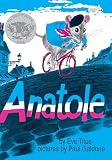
Consider Anatole by Eve Titus.
“Anatole is a tidy, gently comic children's fable about an honorable mouse who earns his family's supper by leaving tasting notes at a cheese factory. Language is plain and economical, with short scenes and a tone suited to read-alouds and early readers. It’s most useful as a calming bedtime story or a prompt for simple conversations about work, pride, and manners. Limitation: the plot and phrasing are repetitive and restrained, so adult readers seeking narrative richness or modern pacing may find it slight.”
Similar books
How recommendation signals are reviewed
Each recommendation is collected from a public source — interviews, articles, or curated lists — and linked to its original URL. Books with many verifiable recommendations from respected people rank higher.