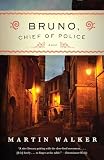
A Novel of the French Countryside
by Martin Walker
Bruno, Chief of Police is a leisurely mystery anchored in village life: markets, meals, local rituals and a decently principled policeman matter as much as the murder plot. Its useful part is atmosphere and character—Bruno’s soldier-past and his low-key methods give the book a human center. Its main limitation is pace and focus: investigation often takes a back seat to scenic digressions and sentimental moments, so readers expecting tightly plotted suspense or technical policing won’t find that here.
This summary and audience guidance are AI-generated from the book's description and its recommendation history, last updated June 2026. Recommendations, quotes and sources elsewhere on this page come from published material and are not generated.
Meet Benoît Courrèges, aka Bruno, a policeman in a small village in the South of France. He?s a former soldier who has embraced the pleasures and slow rhythms of country life. He has a gun but never wears it; he has the power to arrest but never uses it. But then the murder of an elderly North African who fought in the French army changes all tha...
Difficulty:hard
Check formats, pricing, and availability options for Kindle, physical print, or audiobooks directly.
View available editions on AmazonWhy recommended
appears in Mystery & Crime and Fiction.
Recommendation proof is sourced from public posts, interviews, reading lists, and cited references.
No verified recommendation proof available yet.
Check formats, pricing, and availability options directly on Amazon.
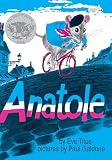
Consider Anatole by Eve Titus.
“Anatole is a tidy, gently comic children's fable about an honorable mouse who earns his family's supper by leaving tasting notes at a cheese factory. Language is plain and economical, with short scenes and a tone suited to read-alouds and early readers. It’s most useful as a calming bedtime story or a prompt for simple conversations about work, pride, and manners. Limitation: the plot and phrasing are repetitive and restrained, so adult readers seeking narrative richness or modern pacing may find it slight.”
Each recommendation is collected from a public source — interviews, articles, or curated lists — and linked to its original URL. Books with many verifiable recommendations from respected people rank higher.