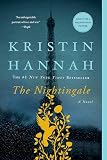
Recommended by 3 notable people, including Preeti Shenoy and Dana Perino
Check price on AmazonRecommended by public sources
Amazon availability
See customer reviews on Amazon →This is a character-driven WWII novel about two French sisters whose lives fracture under occupation. The narrative moves between quiet domestic detail and high-stakes wartime scenes, offering vivid scenes, emotional payoff, and clear moral dilemmas. Its useful part is immersive, readable storytelling that makes characters feel immediate; its main limitation is a tendency toward sentimentality and dramatic turns that some readers find manipulative rather than understated. Best approached expecting emotional catharsis more than subtle historical detachment.
This summary and audience guidance are AI-generated from the book's description and its recommendation history, last updated June 2026. Recommendations, quotes and sources elsewhere on this page come from published material and are not generated.
In love we find out who we want to be.In war we find out who we are.FRANCE, 1939In the quiet village of Carriveau, Vianne Mauriac says goodbye to her husband, Antoine, as he heads for the Front. She doesn?t believe that the Nazis will invade France?but invade they do, in droves of marching soldiers, in caravans of trucks and tanks, in planes that f...
Difficulty:hard
Check formats, pricing, and availability options for Kindle, physical print, or audiobooks directly.
View available editions on AmazonWhy recommended
Recommended by 4 sources and appears in Historical Fiction, Most Recommended Books, and Fiction.
People and public figures who have recommended this book.
Recommendation proof is sourced from public posts, interviews, reading lists, and cited references.
Check formats, pricing, and availability options directly on Amazon.
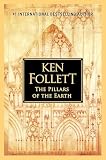
Consider The Pillars of the Earth by Ken Follett. Recommended by 5 sources.
“This sprawling, detail-rich historical novel follows cathedral builders, nobles, and townspeople across decades, delivering immersive scene-setting and a steady accumulation of plotlines. Its useful part is the sustained attention to craft—architecture, politics, rivalry—that makes the medieval world tangible. The main limitation is repetitive melodrama and swings in pacing: long, satisfying set pieces sit beside stretches that feel slow or contrived. Better read slowly rather than skimmed; readers who stick it out will find payoff in the concluding convergences.”
Each recommendation is collected from a public source — interviews, articles, or curated lists — and linked to its original URL. Books with many verifiable recommendations from respected people rank higher.