by Edward Gibbon
More Recommenders
“Haven't posted any books read in a while, this is because I've been reading the Decline and Fall of the Roman Empire by Gibbon. I've wanted to read this for a few years now and loved it, would strongly recommend for the few odd people who read about Rome and have noticed”
Source →Recommended by 4 notable people, including Stewart Brand and Elon Musk
Check price on AmazonProof-backed recommendation
Amazon availability
See customer reviews on Amazon →Recommended by 6 sources and appears in Books Recommended by Elon Musk, Most Recommended Books, and History.
Instead of inquiring why the Roman empire was destroyed, we should rather be surprised that it had subsisted so long'Edward Gibbon's Decline and Fall of the Roman Empire compresses thirteen turbulent centuries into an epic narrative shot through with insight, irony and incisive character analysis. Sceptical about Christianity, sympathetic to the b...
Check formats, pricing, and current availability directly.
Why recommended
Recommended by 6 sources and appears in Books Recommended by Elon Musk, Most Recommended Books, and History.
People and public figures who have recommended this book.
Recommendation proof is sourced from public posts, interviews, reading lists, and cited references.
Mahatma Gandhi
“Haven't posted any books read in a while, this is because I've been reading the Decline and Fall of the Roman Empire by Gibbon. I've wanted to read this for a few years now and loved it, would strongly recommend for the few odd people who read about Rome and have noticed”
Check formats, pricing, and availability options directly on Amazon.
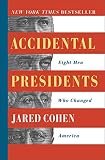
Consider Accidental Presidents by Jared Cohen. Recommended by 10 sources.
“Accidental Presidents offers eight narrative portraits of men who succeeded to the U.S. presidency without election, using anecdote-rich scenes and readable context to show how personality and circumstance interact with office power. It’s strongest as a set of self-contained stories that make succession stakes concrete for non-specialist readers; it does not prioritize dense archival argument or exhaustive methodology, so expect some interpretive generalizations and repeated themes across cases. Use it for fast historical orientation rather than scholarly deep-dives.”

Each recommendation is collected from a public source — interviews, articles, or curated lists — and linked to its original URL. Books with many verifiable recommendations from respected people rank higher.