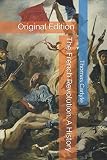
A History
by Thomas Carlyle
Recommended by Mark Twain
Check price on AmazonProof-backed recommendation
Amazon availability
Carlyle's narrative reads like a rollicking stage-history: thunderous sentences, close portraits of leaders, and prose that turns events into theatrical scenes. Its chief value is making the Revolution feel present—the street noise, public spectacles, and character clashes come alive rather than being summarized. This helps readers who want human drama and a strong moral voice more than a checklist of facts. Limitations include Victorian rhetoric, long periodic sentences, and broad judgments that feel impressionistic to modern tastes. Plan to supplement with a modern account for context.
This summary and audience guidance are AI-generated from the book's description and its recommendation history, last updated June 2026. Recommendations, quotes and sources elsewhere on this page come from published material and are not generated.
The book that established Thomas Carlyles reputation when first published in 1837, this spectacular historical masterpiece has since been accepted as the standard work on the subject. It combines a shrewd insight into character, a vivid realization of the picturesque, and a singular ability to bring the past to blazing life, making it a reading exp...
Difficulty:hard
Check formats, pricing, and availability options for Kindle, physical print, or audiobooks directly.
View available editions on AmazonWhy recommended
Recommended by 2 sources and appears in Most Recommended Books, History, and Nonfiction.
People and public figures who have recommended this book.
Recommendation proof is sourced from public posts, interviews, reading lists, and cited references.
Check formats, pricing, and availability options directly on Amazon.
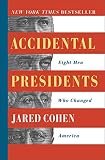
Consider Accidental Presidents by Jared Cohen. Recommended by 10 sources.
“Accidental Presidents offers eight narrative portraits of men who succeeded to the U.S. presidency without election, using anecdote-rich scenes and readable context to show how personality and circumstance interact with office power. It’s strongest as a set of self-contained stories that make succession stakes concrete for non-specialist readers; it does not prioritize dense archival argument or exhaustive methodology, so expect some interpretive generalizations and repeated themes across cases. Use it for fast historical orientation rather than scholarly deep-dives.”

Each recommendation is collected from a public source — interviews, articles, or curated lists — and linked to its original URL. Books with many verifiable recommendations from respected people rank higher.