BookMentionsBookMentions
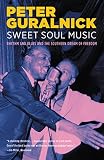
Sweet Soul Music
2 recommendations

Sweet Soul Music

Rhythm and Blues and the Southern Dream of Freedom

by Peter Guralnick

Recommended by Ta-Nehisi Coates

Recommended by Ta-Nehisi Coates

Check price on Amazon

Proof-backed recommendation

Amazon availability

Reading Profile

Difficulty:hard
Themes:artist biography vs social contextanecdotal detail vs big‑picture synthesis

Should I read this?

Peter Guralnick delivers long, affectionate profiles that stitch artists’ careers, regional scenes, and record‑industry moments into immersive storytelling. The prose is anecdote‑rich and moves at a leisurely pace; readers who like narrative reporting and music lore will find it rewarding. Main value is detailed scene‑setting and life portraiture that make recording sessions and personalities feel present. Main limitation is repetition and limited synthesis—the book accumulates vivid stories but often refrains from stepping back to redraw the larger social or stylistic map.

Read this if...

  • a features writer at a regional music magazine preparing a long‑form profile of a mid‑century artist for an upcoming issue — useful now as a model for pacing, archival color, and how to turn studio anecdotes into readable narrative under a tight deadline.
  • a community‑radio DJ programming a 90‑minute show on Southern R&B who needs short, conversational backstories to introduce tracks — fits now because the book supplies vivid session details and one‑paragraph vignettes you can drop into live narration.
  • an adjunct college instructor designing a 10‑week seminar on American popular music this semester and looking for readable case studies for students who avoid dense theory — good now as assignable, scene‑rich chapters that prompt discussion without heavy academic framing.

Skip this if...

  • you'll likely put it down when the same kinds of stories pile up and the author keeps adding portraits without clear synthesis — repetition becomes a drag.
  • annoying if you prefer brisk timelines or academic framing — the narrative meanders and doesn't prioritize tight, analytical summaries.
  • annoying if you want quantitative data, playlists prioritized by influence, or hands‑on guides — this is narrative history, not a reference compendium or a workbook.

"History of soul music, told in profiles. I read this is as young man really trying to understand what journalism and history meant. Spent a lot of time meditating on Sam and Dave after this one." - Ta-Nehisi Coates

Before You Buy

Reading Specifications

Difficulty:hard

Themes:
artist biography vs social contextanecdotal detail vs big‑picture synthesisregional scenes vs national narratives

Audience Fit

Recommended for:
  • a features writer at a regional music magazine preparing a long‑form profile of a mid‑century artist for an upcoming issue — useful now as a model for pacing, archival color, and how to turn studio anecdotes into readable narrative under a tight deadline.
  • a community‑radio DJ programming a 90‑minute show on Southern R&B who needs short, conversational backstories to introduce tracks — fits now because the book supplies vivid session details and one‑paragraph vignettes you can drop into live narration.
  • an adjunct college instructor designing a 10‑week seminar on American popular music this semester and looking for readable case studies for students who avoid dense theory — good now as assignable, scene‑rich chapters that prompt discussion without heavy academic framing.
Not ideal if you want:
  • you'll likely put it down when the same kinds of stories pile up and the author keeps adding portraits without clear synthesis — repetition becomes a drag.
  • annoying if you prefer brisk timelines or academic framing — the narrative meanders and doesn't prioritize tight, analytical summaries.
  • annoying if you want quantitative data, playlists prioritized by influence, or hands‑on guides — this is narrative history, not a reference compendium or a workbook.

Check formats, pricing, and availability options for Kindle, physical print, or audiobooks directly.

View available editions on Amazon

Key themes

artist biography vs social contextanecdotal detail vs big‑picture synthesisregional scenes vs national narrativesreverence vs critical distance

Why recommended

Recommended by 2 sources and appears in Music History and Most Recommended Books.

Recommended by notable people

People and public figures who have recommended this book.

Recommendation Signals

Recommendation proof is sourced from public posts, interviews, reading lists, and cited references.

T

Ta-Nehisi Coates

Recommended this book

30%

Appears In

11/22/63
Try This Instead

Not sure if this is the right fit?

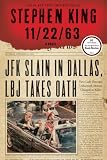
Consider 11/22/63 by Stephen King. Recommended by 4 sources.

Starts as a lean, suspenseful time-travel premise that quickly settles into an immersive, character-focused saga. Its chief useful part is the way everyday 1960s small-town life and personal relationships make the historical stakes feel immediate; the novel rewards readers who relish atmosphere and slow moral puzzles. The main limitation is length and digressions—long domestic passages and episodic subplots stretch the middle and can undercut urgency for readers who wanted a tighter thriller.

Similar books

How recommendation signals are reviewed

Each recommendation is collected from a public source — interviews, articles, or curated lists — and linked to its original URL. Books with many verifiable recommendations from respected people rank higher.

Sweet Soul Music

Sweet Soul Music

View on Amazon →