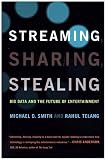
Big Data and the Future of Entertainment
by Michael D. Smith
Recommended by Erik Brynjolfsson
Check price on AmazonProof-backed recommendation
Amazon availability
The book reads like a sharp industry primer, arguing that familiar TV viewing habits connect to economic and incentive shifts created by platforms. Early chapters use the Netflix House of Cards example to set the stage; later sections present arguments about how platform data, pricing, piracy, and distribution influence what gets produced and monetized. Main limitation: the tone stays analytical and business-focused, so pricing and market-mechanics sections can feel dry or repetitive for readers seeking cultural narrative or creator-centered detail.
This summary and audience guidance are AI-generated from the book's description and its recommendation history, last updated June 2026. Recommendations, quotes and sources elsewhere on this page come from published material and are not generated.
Traditional network television Programming, has always followed the same script: executives approve a pilot, order a trial number of episodes, and broadcast them, expecting viewers to watch a given show on their television sets at the same time every week. But then came Netflix's "House of Cards." Netflix gauged the show's potential from data it had...
Difficulty:hard
Check formats, pricing, and availability options for Kindle, physical print, or audiobooks directly.
View available editions on AmazonWhy recommended
Recommended by 2 sources and appears in Most Recommended Books, Technology, and Business.
People and public figures who have recommended this book.
Recommendation proof is sourced from public posts, interviews, reading lists, and cited references.
Erik Brynjolfsson
“Here's a great book on the future of digital entertainment by Mike Smith and Rahul Telang”
Check formats, pricing, and availability options directly on Amazon.
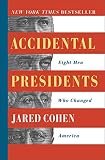
Consider Accidental Presidents by Jared Cohen. Recommended by 10 sources.
“Accidental Presidents offers eight narrative portraits of men who succeeded to the U.S. presidency without election, using anecdote-rich scenes and readable context to show how personality and circumstance interact with office power. It’s strongest as a set of self-contained stories that make succession stakes concrete for non-specialist readers; it does not prioritize dense archival argument or exhaustive methodology, so expect some interpretive generalizations and repeated themes across cases. Use it for fast historical orientation rather than scholarly deep-dives.”

Each recommendation is collected from a public source — interviews, articles, or curated lists — and linked to its original URL. Books with many verifiable recommendations from respected people rank higher.