BookMentionsBookMentions
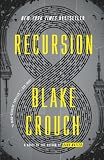
Recursion
5 recommendations

Recursion

A Novel

by Blake Crouch

Recommended by Cleo Abram, Ran Segall +
3 more

More Recommenders

J

Best book I read this year was @blakecrouch1’s Recursion. Holy hell was it a crazy ride. Brilliant concept, packed with deep questions, and an emotional rollercoaster. | If you look for a good #scifi that blows your mind by involving you in an emotional path from various lives to death, Recursion from @blakecrouch1 is your book. But don't mind if the science behind the idea is not rocksolid. I can't say more without spoiling it. Read it!

Source →
B

Best book I read this year was @blakecrouch1’s Recursion. Holy hell was it a crazy ride. Brilliant concept, packed with deep questions, and an emotional rollercoaster. | If you look for a good #scifi that blows your mind by involving you in an emotional path from various lives to death, Recursion from @blakecrouch1 is your book. But don't mind if the science behind the idea is not rocksolid. I can't say more without spoiling it. Read it!

Source →
M

Best book I read this year was @blakecrouch1’s Recursion. Holy hell was it a crazy ride. Brilliant concept, packed with deep questions, and an emotional rollercoaster. | If you look for a good #scifi that blows your mind by involving you in an emotional path from various lives to death, Recursion from @blakecrouch1 is your book. But don't mind if the science behind the idea is not rocksolid. I can't say more without spoiling it. Read it!

Source →

Recommended by 5 notable people, including Cleo Abram and Ran Segall

Check price on Amazon

Proof-backed recommendation

Amazon availability

Reading Profile

Difficulty:hard
Themes:memory vs identityindividual past vs shared reality

Should I read this?

Recursion moves quickly, hinging on a single high-concept premise about memory inversion that drives both suspense and character choices. The immediate payoff is propulsive plotting and repeated tense set pieces that keep stakes visible. The book's main limitation is its midsection, which expands into dense technical explanation and large-scale catastrophe planning that can overshadow quieter emotional moments. The ending goes big and morally messy rather than offering tidy closure, so readers who want neat answers may leave unsatisfied.

Read this if...

  • a software developer with a long flight or weekend off who wants a bingeable, plot-forward novel to finish in one sitting — momentum and set-piece escalation keep pages turning
  • a philosophy or ethics grad student prepping a seminar on memory and identity who wants a gripping narrative to spark debate without academic density
  • a thriller reader coming off a stressful stretch at work who wants high stakes and speculative twists as an intense, immersive escape rather than a slow character study

Skip this if...

  • you'll likely put it down when the novel shifts into extended technical exposition and large-scale catastrophe planning that slows the pace
  • annoying if you prefer subtle, slow-burn character studies — this favors action and premise over quiet interior nuance
  • annoying if you expect clean, unambiguous answers — paradoxes and moral messiness remain prominent rather than being neatly resolved

Reality is broken.At first, it looks like a disease. An epidemic that spreads through no known means, driving its victims mad with memories of a life they never lived. But the force that's sweeping the world is no pathogen. It's just the first shock wave, unleashed by a stunning discoveryand what's in jeopardy is not our minds but the very fabric...

Before You Buy

Reading Specifications

Difficulty:hard

Themes:
memory vs identityindividual past vs shared realityscientific curiosity vs societal risk

Audience Fit

Recommended for:
  • a software developer with a long flight or weekend off who wants a bingeable, plot-forward novel to finish in one sitting — momentum and set-piece escalation keep pages turning
  • a philosophy or ethics grad student prepping a seminar on memory and identity who wants a gripping narrative to spark debate without academic density
  • a thriller reader coming off a stressful stretch at work who wants high stakes and speculative twists as an intense, immersive escape rather than a slow character study
Not ideal if you want:
  • you'll likely put it down when the novel shifts into extended technical exposition and large-scale catastrophe planning that slows the pace
  • annoying if you prefer subtle, slow-burn character studies — this favors action and premise over quiet interior nuance
  • annoying if you expect clean, unambiguous answers — paradoxes and moral messiness remain prominent rather than being neatly resolved

Check formats, pricing, and availability options for Kindle, physical print, or audiobooks directly.

View available editions on Amazon

Key themes

memory vs identityindividual past vs shared realityscientific curiosity vs societal riskpersonal grief vs collective survivalfree will vs rewritten history

Why recommended

Recommended by 5 sources and appears in Time Travel, Science Fiction, and Thriller & Suspense.

Recommended by notable people

People and public figures who have recommended this book.

Recommendation Signals

Recommendation proof is sourced from public posts, interviews, reading lists, and cited references.

J

Jordan Hughes

Best book I read this year was @blakecrouch1’s Recursion. Holy hell was it a crazy ride. Brilliant concept, packed with deep questions, and an emotional rollercoaster. | If you look for a good #scifi that blows your mind by involving you in an emotional path from various lives to death, Recursion from @blakecrouch1 is your book. But don't mind if the science behind the idea is not rocksolid. I can't say more without spoiling it. Read it!
View sources (2) ▾80%

Appears In

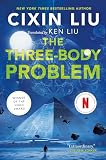
The Three-Body Problem
Try This Instead

Not sure if this is the right fit?

Consider The Three-Body Problem by Cixin Liu. Recommended by 24 sources.

This novel starts as a mystery rooted in a woman’s tragic experience during China’s Cultural Revolution, then spirals into a high-concept alien contact story built on intricate physics and game theory. The useful part lies in its audacious imagination: a three-body solar system, a virtual reality game, and a shocking revelation about humanity’s place in the universe. The limiting part may be its cold, analytical style and flat characters; emotion takes a backseat to ideas, and the scientific digressions can feel like lectures. It’s a slow burn that rewards intellectual curiosity but might alienate those craving warmth or narrative immediacy.

Similar books

How recommendation signals are reviewed

Each recommendation is collected from a public source — interviews, articles, or curated lists — and linked to its original URL. Books with many verifiable recommendations from respected people rank higher.