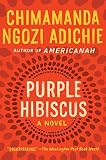
A Novel
by Chimamanda Ngozi Adichie


Proof-backed recommendation
Amazon availability
Intimate and measured: the book unfolds through a tight first-person perspective, where small gestures and domestic rituals accumulate into gradual revelation. Most useful are the close details of family routine, faith's private effects, and how authority shapes daily life—images that linger after reading. Annoying for some: the book's restraint, repeated household cycles, and slow, elliptical pacing; it favors mood and implication over plot momentum or clear resolution, so impatient readers may feel stalled.
This summary and audience guidance are AI-generated from the book's description and its recommendation history, last updated June 2026. Recommendations, quotes and sources elsewhere on this page come from published material and are not generated.
Fifteenyearold Kambili and her older brother Jaja lead a privileged life in Enugu, Nigeria. They live in a beautiful house, with a caring family, and attend an exclusive missionary school. They're completely shielded from the troubles of the world. Yet, as Kambili reveals in her tendervoiced account, things are less perfect than they appear. Alt...
Difficulty:medium
Check formats, pricing, and availability options for Kindle, physical print, or audiobooks directly.
View available editions on AmazonWhy recommended
Recommended by 3 sources and appears in Historical Fiction, Most Recommended Books, and Fiction.
People and public figures who have recommended this book.
Recommendation proof is sourced from public posts, interviews, reading lists, and cited references.
Nicola Sturgeon
First Minister of Scotland from 2014 to 2023
“Great book I’m a huge Chimamanda fan. Enjoy.”
Check formats, pricing, and availability options directly on Amazon.
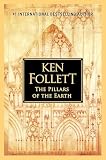
Consider The Pillars of the Earth by Ken Follett. Recommended by 5 sources.
“This sprawling, detail-rich historical novel follows cathedral builders, nobles, and townspeople across decades, delivering immersive scene-setting and a steady accumulation of plotlines. Its useful part is the sustained attention to craft—architecture, politics, rivalry—that makes the medieval world tangible. The main limitation is repetitive melodrama and swings in pacing: long, satisfying set pieces sit beside stretches that feel slow or contrived. Better read slowly rather than skimmed; readers who stick it out will find payoff in the concluding convergences.”

Each recommendation is collected from a public source — interviews, articles, or curated lists — and linked to its original URL. Books with many verifiable recommendations from respected people rank higher.