BookMentionsBookMentions
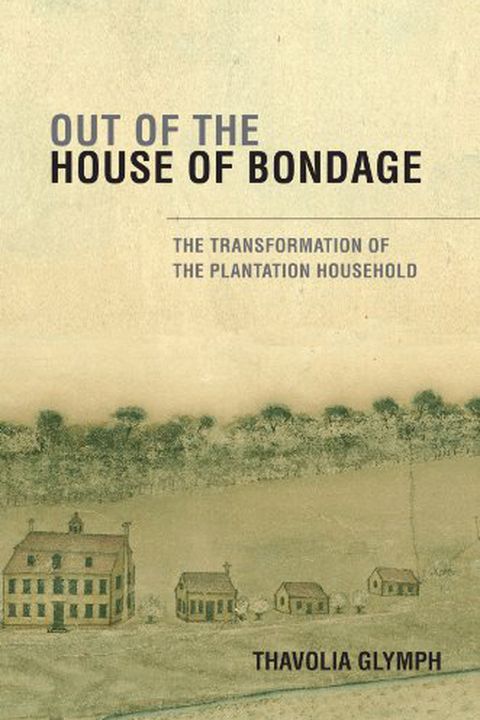
Out of the House of Bondage
1 recommendations

Out of the House of Bondage

The Transformation Of The Plantation Household

by Thavolia Glymph

Recommended by Ta-Nehisi Coates

Recommended by Ta-Nehisi Coates

Check price on Amazon

Proof-backed recommendation

Amazon availability

Reading Profile

Difficulty:hard
Themes:household labor vs market productionmistress power vs white patriarchy

Should I read this?

Glymph treats the plantation household as an engine of production and a battleground where gender, race, and class competed for control. The prose balances close archival reconstruction with sustained argument, so you’ll come away with a sharper, less sentimental picture of mistresses as active power holders rather than passive victims. What works best is its reframing of domestic space as political economy; the main limitation is its heavy scholarly density and insistence on argument over storytelling, which slows pacing for general readers.

Read this if...

  • a graduate student researching gender and slavery who needs a focused historiographical case that supplies archival examples and a provocative reinterpretation of household power
  • a college instructor building a seminar on Civil War–era domestic life who wants a reading that challenges students’ assumptions about mistresses, labor, and authority
  • a museum curator putting together an exhibit about antebellum households who needs evidence to complicate visitor expectations about agency, hierarchy, and domestic economics

Skip this if...

  • you'll likely put it down when long stretches of archival detail and dense argument pile up without narrative relief — early dense chapters can feel like a slog
  • annoying if you prefer character-driven stories or chronological social histories rather than thematic, interpretive scholarship
  • skip it if you want lightweight overviews or quick introductions to Civil War history; this is argument-first and resists easy summaries

This book views the plantation household as a site of production where competing visions of gender were wielded as weapons in class struggles between black and white women. Mistresses were powerful beings in the hierarchy of slavery rather than powerless victims of the same patriarchal system responsible for the oppression of the enslaved. Glymph c...

Before You Buy

Reading Specifications

Difficulty:hard

Themes:
household labor vs market productionmistress power vs white patriarchyblack women’s autonomy vs slaveholder control

Audience Fit

Recommended for:
  • a graduate student researching gender and slavery who needs a focused historiographical case that supplies archival examples and a provocative reinterpretation of household power
  • a college instructor building a seminar on Civil War–era domestic life who wants a reading that challenges students’ assumptions about mistresses, labor, and authority
  • a museum curator putting together an exhibit about antebellum households who needs evidence to complicate visitor expectations about agency, hierarchy, and domestic economics
Not ideal if you want:
  • you'll likely put it down when long stretches of archival detail and dense argument pile up without narrative relief — early dense chapters can feel like a slog
  • annoying if you prefer character-driven stories or chronological social histories rather than thematic, interpretive scholarship
  • skip it if you want lightweight overviews or quick introductions to Civil War history; this is argument-first and resists easy summaries

Check formats, pricing, and availability options for Kindle, physical print, or audiobooks directly.

View available editions on Amazon

Key themes

household labor vs market productionmistress power vs white patriarchyblack women’s autonomy vs slaveholder controlprivate home as economic sitegendered class conflict

Why recommended

Recommended by 1 source and appears in Slavery, Civil War, and History.

Recommended by notable people

People and public figures who have recommended this book.

Recommendation Signals

Recommendation proof is sourced from public posts, interviews, reading lists, and cited references.

T

Ta-Nehisi Coates

Recommended this book

30%

Appears In

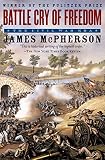
Battle Cry of Freedom
Try This Instead

Not sure if this is the right fit?

Consider Battle Cry of Freedom by James M. McPherson. Recommended by 1 sources.

James M. McPherson delivers a fast-paced, single-volume narrative that moves between politics, society, and combat to produce a connected chronology and a clear interpretive stance. The useful payoff is a coherent timeline that helps you see cause-and-effect across campaigns, policy shifts, and public opinion. The main limitation is emphasis and compression: long battle sections can feel dense, and selective choices about which episodes receive space will frustrate readers who want exhaustive local detail or a heavily annotated, apparatus-driven history.

Similar books

How recommendation signals are reviewed

Each recommendation is collected from a public source — interviews, articles, or curated lists — and linked to its original URL. Books with many verifiable recommendations from respected people rank higher.

Out of the House of Bondage

Out of the House of Bondage

View on Amazon →