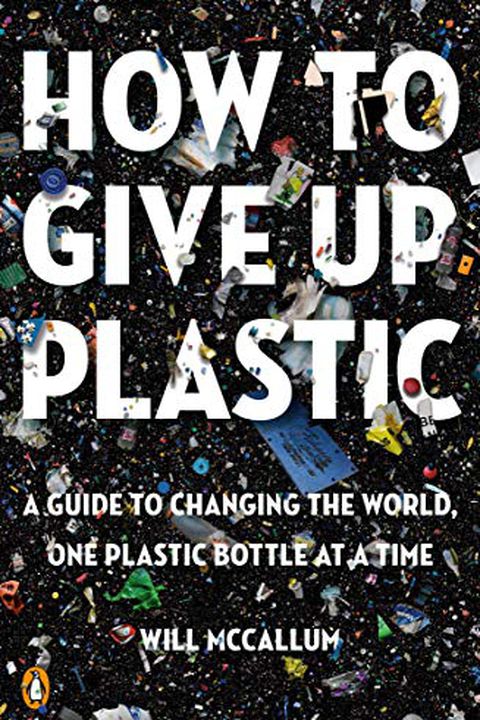
A Guide to Changing the World, One Plastic Bottle at a Time
by Will McCallum
How to Give Up Plastic reads like a hands-on manual: short, concrete chapters that move through rooms and routines, with many specific substitution ideas you can try immediately. Its useful part is translation — turning abstract worries about ocean plastic into actionable swaps and small habit changes. The main limitation is scale: readers looking for systemic analysis, detailed sourcing guidance, or long-form evidence will find the treatment pragmatic but lightweight, and some sections repeat similar limitations.
This summary and audience guidance are AI-generated from the book's description and its recommendation history, last updated May 2026. Recommendations, quotes and sources elsewhere on this page come from published material and are not generated.
An accessible guide to the changes we can all makesmall and largeto rid our lives of disposable plastic and clean up the world's oceansHow to Give Up Plastic is a straightforward guide to eliminating plastic from your life. Going room by room through your home and workplace, Greenpeace activist Will McCallum teaches you how to spot disposable p...
Difficulty:hard
Check formats, pricing, and availability options for Kindle, physical print, or audiobooks directly.
View available editions on AmazonWhy recommended
appears in Environment, Nature, and Hobbies.
Recommendation proof is sourced from public posts, interviews, reading lists, and cited references.
No verified recommendation proof available yet.
Check formats, pricing, and availability options directly on Amazon.
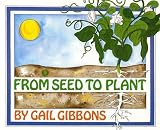
Consider From Seed to Plant by Gail Gibbons.
“Bright, picture-driven, and firmly aimed at early elementary listeners, this book walks through pollination, seed formation, and germination in clear, child-accessible steps. The strongest value is the combination of simple, age-appropriate vocabulary and colorful diagrams that make basic plant processes memorable during a single read-aloud. Its main limitation is scope: adults or older kids seeking depth or experimental instructions will find the text spare and the explanations high-level rather than detailed. No hands-on exercises are provided.”
Each recommendation is collected from a public source — interviews, articles, or curated lists — and linked to its original URL. Books with many verifiable recommendations from respected people rank higher.