3/7 (Harry Potter 3)
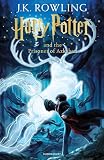
by J. K. Rowling
Recommended by Arvind Subramanian
Check price on AmazonProof-backed recommendation
Amazon availability
A brisk, stagey middle instalment that keeps school life and Quidditch humor but pushes the tone darker with a whodunit energy and eerie villains. Scenes are cinematic—train rides, classroom routines, and nighttime stakeouts—so the pleasure is mostly in momentum and character chemistry rather than formal argument or literary subtlety. Best bits are the tense set-pieces and the tightening mystery; weaker stretches come when familiar details are recapped for new readers. Helpful if you enjoy a guided mystery with clear beats; limiting if you want a standalone plot or subtle prose.
This summary and audience guidance are AI-generated from the book's description and its recommendation history, last updated June 2026. Recommendations, quotes and sources elsewhere on this page come from published material and are not generated.
Harry Potter is lucky to reach the age of thirteen, since he has survived the murderous attacks of the feared Dark Lord on more than one occasion. His hopes for a quiet school term concentrating on Quidditch are dashed, though, when a maniacal massmurderer escapes from Azkaban, pursued by the soulsucking Dementors who guard the prison. It_x0092_s assum...
Difficulty:hard
Check formats, pricing, and availability options for Kindle, physical print, or audiobooks directly.
View available editions on AmazonWhy recommended
Recommended by 1 source and appears in Time Travel, Teen, and Teen & Young Adult.
People and public figures who have recommended this book.
Recommendation proof is sourced from public posts, interviews, reading lists, and cited references.
Arvind Subramanian
“Accepted #7daybookchallenge thanks to @Rob_Malley. Post a cover of a book you loved, every day for 1 week. No explanations. Here is my Day 2 and I pass the torch today to pursue the challenge to @baselinescene”
Check formats, pricing, and availability options directly on Amazon.
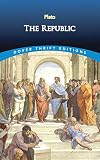
Consider The Republic by Plato. Recommended by 13 sources.
“Plato stages an extended Socratic conversation that moves from concrete questions about justice into broad proposals about an ideal city, the structure of the soul, and what counts as reality and knowledge. Reading alternates brisk question-and-answer snippets with long, cumulative demonstrations that reward careful attention and annotation. Main value: a wealth of thought experiments for testing political and ethical intuitions. Main limitation: repetitive refutations, long policy sketches and dense metaphysical passages can feel abstruse and slow; patience and some philosophical background help.”
Each recommendation is collected from a public source — interviews, articles, or curated lists — and linked to its original URL. Books with many verifiable recommendations from respected people rank higher.