
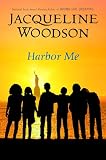
Harbor Me
by Jacqueline Woodson
Reading Profile
Should I read this?
Harbor Me reads like a quiet classroom confessional: six middle-schoolers gather weekly to swap stories, and the prose is spare, lyrical, and intimate. Its strength is attention to small gestures—listening, being seen—that slowly loosen grief and build trust, which makes it a good pick for readers who favor character-focused, emotionally honest middle-grade fiction. Limitations include a deliberately episodic pacing and moments that end without neat resolution; if you prefer propulsive plots or explicit solutions, this will feel too gentle and elliptical.
Read this if...
- •a middle-school teacher planning read-alouds after a difficult event — useful as a way to open conversations about feeling seen and listening without heavy didacticism
- •a parent of a 9–13-year-old trying to introduce topics of loss and belonging gently — the short scenes give concrete, discussion-ready moments to talk about at home
- •a YA/children's book-club host who needs a short, discussion-focused title — the book’s small cast and scene-sized chapters make it easy to assign and unpack in a single meeting
Skip this if...
- •you’ll likely put it down when you expect a continuous, plot-forward story — the episodic, conversational structure slows momentum and leaves threads unresolved
- •annoying if you prefer fast pacing and clear closure — emotional tendencies and quiet moments dominate over action
- •not a fit if you want hands-on activities or explicit guidance for processing emotions — the book presents scenes and feelings but lacks exercises or prescriptive how-to
Jacqueline Woodson was the 20182019 National Ambassador for Young People's Literature A NEW YORK TIMES BESTSELLER!Jacqueline Woodson's first middlegrade novel since National Book Award winner Brown Girl Dreaming celebrates the healing that can occur when a group of students share their stories.It all starts when six kids have to meet for a weekly...
Before You Buy
Reading Specifications
Difficulty:hard
Audience Fit
- a middle-school teacher planning read-alouds after a difficult event — useful as a way to open conversations about feeling seen and listening without heavy didacticism
- a parent of a 9–13-year-old trying to introduce topics of loss and belonging gently — the short scenes give concrete, discussion-ready moments to talk about at home
- a YA/children's book-club host who needs a short, discussion-focused title — the book’s small cast and scene-sized chapters make it easy to assign and unpack in a single meeting
- you’ll likely put it down when you expect a continuous, plot-forward story — the episodic, conversational structure slows momentum and leaves threads unresolved
- annoying if you prefer fast pacing and clear closure — emotional tendencies and quiet moments dominate over action
- not a fit if you want hands-on activities or explicit guidance for processing emotions — the book presents scenes and feelings but lacks exercises or prescriptive how-to
Check formats, pricing, and availability options for Kindle, physical print, or audiobooks directly.
View available editions on AmazonKey themes
Why recommended
appears in Childrens and Fiction.
Recommendation Signals
Recommendation proof is sourced from public posts, interviews, reading lists, and cited references.
No verified recommendation proof available yet.
Appears In
Not sure if this is the right fit?
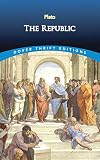
Consider The Republic by Plato. Recommended by 13 sources.
“Plato stages an extended Socratic conversation that moves from concrete questions about justice into broad proposals about an ideal city, the structure of the soul, and what counts as reality and knowledge. Reading alternates brisk question-and-answer snippets with long, cumulative demonstrations that reward careful attention and annotation. Main value: a wealth of thought experiments for testing political and ethical intuitions. Main limitation: repetitive refutations, long policy sketches and dense metaphysical passages can feel abstruse and slow; patience and some philosophical background help.”
Similar books
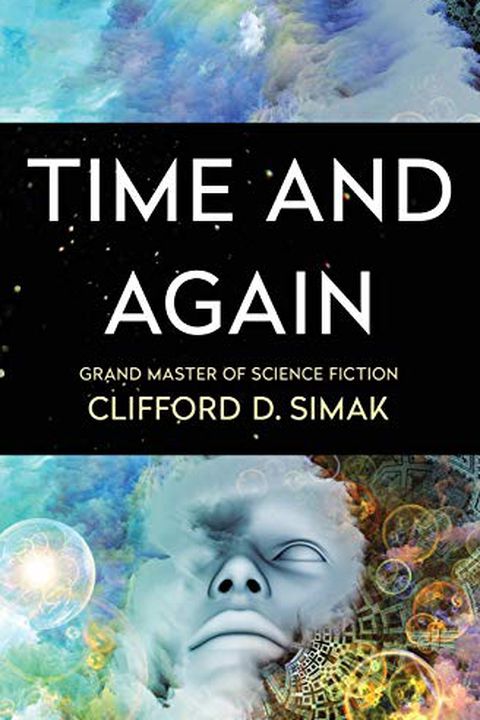
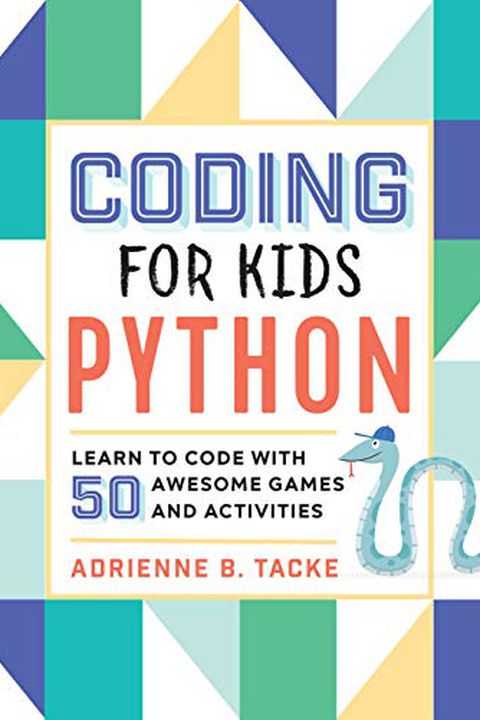

How recommendation signals are reviewed
Each recommendation is collected from a public source — interviews, articles, or curated lists — and linked to its original URL. Books with many verifiable recommendations from respected people rank higher.