
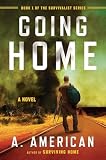
Going Home
A Novel (The Survivalist Series)
by A. American
Amazon availability
Reading Profile
Should I read this?
Going Home drops you into a sudden, radio-triggered catastrophe and follows Morgan Carter on a 250-mile odyssey. The book's strength is relentless forward motion: short, urgent scenes and practical survival choices keep the pace tight and cinematic. The limitation is limited attention to interior life and broad social detail; worldbuilding stays close to immediate hazards rather than long-term systems. If you want moral puzzles and clear incidents to discuss, it supplies them; if you wanted philosophical depth or sprawling context, it can feel thin.
Read this if...
- •a software engineer taking a 10–12 hour cross-country train who wants a single-sitting, plot-first read — fits because tightly paced chapters and constant forward motion make it easy to finish in one long stretch
- •a high-school English teacher choosing a short dystopian for a one-evening discussion group — useful because the story offers clear incidents and ethical choices that spark conversation without requiring background reading
- •a new parent on parental leave with fractured reading windows who wants gripping, restartable tension between naps — fits because short, urgent scenes let you pause and return without losing momentum
Skip this if...
- •you'll likely put it down when the narrative becomes a string of road-stop obstacles with little wider context — annoying if you wanted expansive social detail
- •annoying if you prefer deep psychological interiority or slow, reflective pacing rather than continuous external crises
- •skip it if repetitive survival-focused scenes wear you out quickly; readers seeking philosophical or systems-level dystopia will feel shortchanged
Imagine you_x0092_re driving down the interstate, it_x0092_s Friday and all you can think about is getting your weekend started. Then to begin the ruination of your much anticipated weekend the grating tone of the Emergency Alert System flashes over the radio, then promptly dies.This is the beginning of a 250 mile odyssey for Morgan Carter. Morgan works on the...
Before You Buy
Reading Specifications
Difficulty:hard
Audience Fit
- a software engineer taking a 10–12 hour cross-country train who wants a single-sitting, plot-first read — fits because tightly paced chapters and constant forward motion make it easy to finish in one long stretch
- a high-school English teacher choosing a short dystopian for a one-evening discussion group — useful because the story offers clear incidents and ethical choices that spark conversation without requiring background reading
- a new parent on parental leave with fractured reading windows who wants gripping, restartable tension between naps — fits because short, urgent scenes let you pause and return without losing momentum
- you'll likely put it down when the narrative becomes a string of road-stop obstacles with little wider context — annoying if you wanted expansive social detail
- annoying if you prefer deep psychological interiority or slow, reflective pacing rather than continuous external crises
- skip it if repetitive survival-focused scenes wear you out quickly; readers seeking philosophical or systems-level dystopia will feel shortchanged
Check formats, pricing, and availability options for Kindle, physical print, or audiobooks directly.
View available editions on AmazonKey themes
Why recommended
appears in Apocalyptic and Fiction.
Recommendation Signals
Recommendation proof is sourced from public posts, interviews, reading lists, and cited references.
No verified recommendation proof available yet.
Ready to read Going Home?
Check formats, pricing, and availability options directly on Amazon.
Appears In
Not sure if this is the right fit?
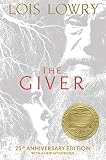
Consider The Giver by Lois Lowry. Recommended by 6 sources.
“Lois Lowry uses spare, plain prose to center a single conceit: a supposedly ideal community that controls emotion and memory. The story follows twelve-year-old Jonas as small revelations accumulate into a sharp ethical dilemma, which makes the book useful for conversation and classroom discussion. Its limitation is emotional restraint and deliberate vagueness—many details and characters stay underdefined—so readers who want rich sensory worldbuilding or a tidy conclusion may feel unsatisfied.”
Similar books
Children of Eden
Joey Graceffa
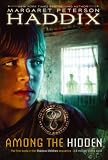
Among the Hidden
Margaret Peterson Haddix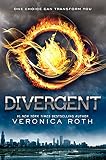
Divergent
Veronica Roth
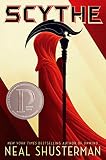
Scythe
Neal ShustermanHow recommendation signals are reviewed
Each recommendation is collected from a public source — interviews, articles, or curated lists — and linked to its original URL. Books with many verifiable recommendations from respected people rank higher.