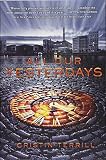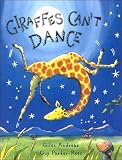
by Giles Andreae
Bright, rhyming picture book built for read-alouds: Gerald the giraffe wants to dance but is mocked for his lanky body until a cricket suggests he find his own rhythm. The experience is buoyant and theatrical — short scenes, bold illustrations, and a repeating chorus that invites joining in. Its useful part is a simple, kid-sized lesson about embracing differences and trying something your way; its limitation is narrative thinness—adults who prefer layered plots or less didactic endings may find it overly neat.
This summary and audience guidance are AI-generated from the book's description and its recommendation history, last updated June 2026. Recommendations, quotes and sources elsewhere on this page come from published material and are not generated.
Gerald the giraffe longs to dance, but his legs are too skinny and his neck is too long. At the Jungle Dance, the warthogs waltz, the chimps chacha, and the lions tango. "Giraffes can't dance," they all jeer when it's Gerald's turn to prance. But with some sound advice from a wise cricket, Gerald starts swaying to his own sweet tune....
Difficulty:easy
Check formats, pricing, and availability options for Kindle, physical print, or audiobooks directly.
View available editions on AmazonWhy recommended
appears in For 2 Year Olds, Children's, and Fiction.
Recommendation proof is sourced from public posts, interviews, reading lists, and cited references.
No verified recommendation proof available yet.
Check formats, pricing, and availability options directly on Amazon.
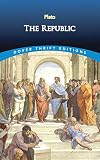
Consider The Republic by Plato. Recommended by 13 sources.
“Plato stages an extended Socratic conversation that moves from concrete questions about justice into broad proposals about an ideal city, the structure of the soul, and what counts as reality and knowledge. Reading alternates brisk question-and-answer snippets with long, cumulative demonstrations that reward careful attention and annotation. Main value: a wealth of thought experiments for testing political and ethical intuitions. Main limitation: repetitive refutations, long policy sketches and dense metaphysical passages can feel abstruse and slow; patience and some philosophical background help.”
Each recommendation is collected from a public source — interviews, articles, or curated lists — and linked to its original URL. Books with many verifiable recommendations from respected people rank higher.