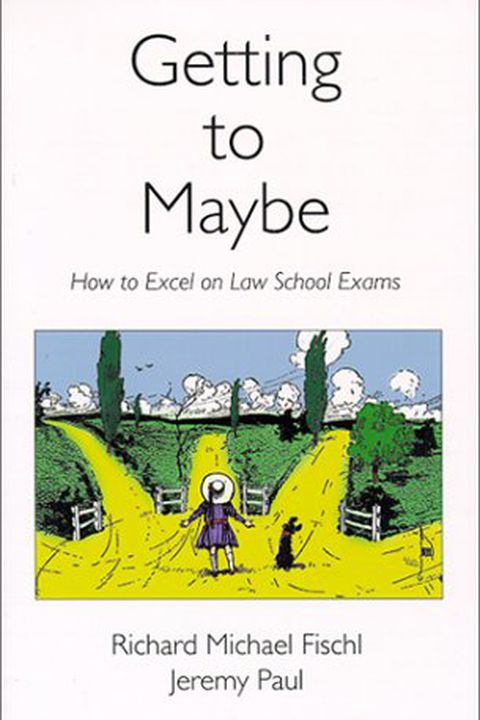
How to Excel on Law School Exams
by Richard Michael Fischl
Recommended by Nick Szabo
Check price on AmazonProof-backed recommendation
Amazon availability
Concrete, classroom-first guidance that reframes how law exams reward nuance instead of single correct answers. Fischl's voice is didactic and corrective: expect clear distinctions between 'right-answer' schooling and law-school analytic demands, plus examples aimed at shifting how you spot and discuss issues. what works best is better exam reasoning rather than shortcut techniques; the limitation is a pedagogical tone and relative lack of timed-practice drills, making it less useful as a sole study resource before an exam.
This summary and audience guidance are AI-generated from the book's description and its recommendation history, last updated May 2026. Recommendations, quotes and sources elsewhere on this page come from published material and are not generated.
Professors Fischl and Paul explain law school exams in ways no one has before, all with an eye toward improving the reader's performance. The book begins by describing the difference between educational cultures that praise students for "right answers" and the law school culture that rewards nuanced analysis of ambiguous situations in which more th...
Difficulty:easy
Check formats, pricing, and availability options for Kindle, physical print, or audiobooks directly.
View available editions on AmazonWhy recommended
Recommended by 2 sources and appears in Most Recommended Books.
People and public figures who have recommended this book.
Recommendation proof is sourced from public posts, interviews, reading lists, and cited references.
Nick Szabo
“Nominally a book on how to take a law school exam. Really a primer on quantum thought”
Check formats, pricing, and availability options directly on Amazon.
Consider The Power of Positive Thinking by Norman Vincent Peale. Recommended by 2 sources.
“Written in mid-20th-century plain prose, this book delivers short chapters of earnest, faith-centered pep talks, affirmations, and anecdotal examples meant to lift outlook through repeated practice. The most useful moments are the memorable lines and simple routines you can borrow when you need a quick morale lift. Limitations: it leans heavily on faith as the primary remedy, repeats similar stories and lines, and uses dated phrasing that can feel simplistic to readers seeking contemporary psychological language or step-by-step techniques.”
Each recommendation is collected from a public source — interviews, articles, or curated lists — and linked to its original URL. Books with many verifiable recommendations from respected people rank higher.