
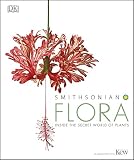
Flora
Inside the Secret World of Plants
by DK
Reading Profile
Should I read this?
Flora reads like a lavish, photograph-driven tour of plant life: high-resolution spreads, short descriptive captions, and broad categories that move from mosses and ferns to trees and palms. Its useful part is visual education — sharp images that reveal form, texture, and color so you can appreciate plant diversity without technical jargon. The main limitation is depth: readers seeking rigorous identification keys, in-depth ecology, or step-by-step cultivation advice will find the text superficial and repetitive across chapters.
Read this if...
- •a home gardener planning seasonal beds who wants visual inspiration and quick recognition of common species before buying plants
- •a middle-school science teacher assembling a unit on plant diversity who needs arresting images and simple captions to show to students
- •an interior stylist or houseplant enthusiast sourcing botanical imagery and concise labels for décor choices and plant-selection mood-boarding
Skip this if...
- •you'll likely put it down when you need identification keys or technical taxonomy — the book emphasizes photos and basic captions over diagnostic detail
- •annoying if you prefer deep ecology, evolutionary explanations, or cultivation troubleshooting; the text stays broad and introductory
- •frustrating if you wanted a hands-on guide: no step-by-step growing exercises or field procedures, and some photo spreads repeat the same points
Discover the extraordinary diversity of the plant world and how plants work with this photographic celebration of the trees, flowers, and foliage plants that share our planet.From tiny mosses and delicate ferns to vibrant blooms and stately palms, Flora invites you to explore the plant kingdom from the ground up, and from root to leaf tip. DK's...
Before You Buy
Reading Specifications
Difficulty:easy
Audience Fit
- a home gardener planning seasonal beds who wants visual inspiration and quick recognition of common species before buying plants
- a middle-school science teacher assembling a unit on plant diversity who needs arresting images and simple captions to show to students
- an interior stylist or houseplant enthusiast sourcing botanical imagery and concise labels for décor choices and plant-selection mood-boarding
- you'll likely put it down when you need identification keys or technical taxonomy — the book emphasizes photos and basic captions over diagnostic detail
- annoying if you prefer deep ecology, evolutionary explanations, or cultivation troubleshooting; the text stays broad and introductory
- frustrating if you wanted a hands-on guide: no step-by-step growing exercises or field procedures, and some photo spreads repeat the same points
Check formats, pricing, and availability options for Kindle, physical print, or audiobooks directly.
View available editions on AmazonKey themes
Why recommended
appears in Botany.
Recommendation Signals
Recommendation proof is sourced from public posts, interviews, reading lists, and cited references.
No verified recommendation proof available yet.
Appears In
Not sure if this is the right fit?
Consider Botany in a Day by Thomas J. Elpel.
“Botany in a Day presents plant identification by family patterns so you learn to spot shared features and likely uses instead of memorizing individual species. It’s practical and compact, useful for gardeners, hikers, and hobby naturalists who want broader coverage than single-species guides. what works best is a conceptual map that speeds recognition across many plants. The main limitation is that it can be light on exhaustive species-level detail and field photos, so plan to cross-check with a local flora or photo guide.”
Similar books
Botany in a Day
Thomas J. Elpel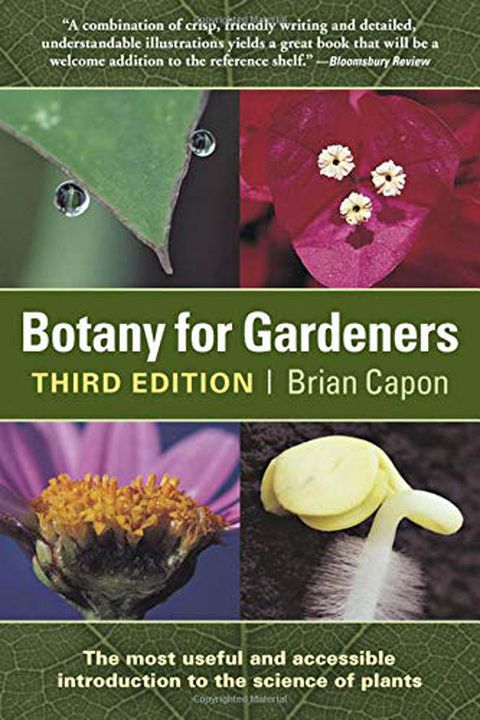
Botany for Gardeners
Brian Capon
The Hidden Life of Trees
Peter Wohlleben
The Botanical Bible
Sonya Patel Ellis
The Drunken Botanist
Amy Stewart
Encyclopedia of Plants and Flowers
Christopher Brickell
Nature Anatomy
Julia RothmanBraiding Sweetgrass
Robin Wall KimmererHow recommendation signals are reviewed
Each recommendation is collected from a public source — interviews, articles, or curated lists — and linked to its original URL. Books with many verifiable recommendations from respected people rank higher.