BookMentionsBookMentions
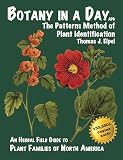
Botany in a Day

Botany in a Day

The Patterns Method of Plant Identification

by Thomas J. Elpel

Check price on Amazon

Proof-backed recommendation

Amazon availability

Reading Profile

Difficulty:hard
Themes:family-pattern identificationmorphology vs memorization

Should I read this?

Botany in a Day presents plant identification by family patterns so you learn to spot shared features and likely uses instead of memorizing individual species. It’s practical and compact, useful for gardeners, hikers, and hobby naturalists who want broader coverage than single-species guides. what works best is a conceptual map that speeds recognition across many plants. The main limitation is that it can be light on exhaustive species-level detail and field photos, so plan to cross-check with a local flora or photo guide.

Read this if...

  • backyard gardener deciding which new perennials or volunteers to keep: helps you recognize relatives and likely habits quickly so you can make planting or removal choices without memorizing dozens of species.
  • weekend forager or beginner naturalist learning to make faster IDs before consulting local guides: gives family-level clues that cut study time and point you where to look next in a regional reference.
  • volunteer nature-walk leader who needs to explain why different plants feel or look related: supplies clear pattern-based language and examples to show group traits on the trail.

Skip this if...

  • you'll likely put it down when you were expecting a picture-heavy, species-by-species field guide — the family-pattern approach can feel abstract if you want exact-photo matches.
  • annoying if you prefer narrative natural history, stories, or anecdotal reading — the focus on morphology and classification reads more like a primer than a memoir.
  • frustrating if you want hands-on exercises or stepwise identification quizzes — lacks hands-on exercises and exhaustive keys, so it’s better used with a local photo guide or flora.

Now you can cut years off the process of learning about plants. Learn how related plants have similar features for identification. Discover how they often have similar properties and similar uses. Toms book takes you beyond the details towards a greater understanding of the patterns among plants. Most plant books cover only one or two hundred speci...

Before You Buy

Reading Specifications

Difficulty:hard

Themes:
family-pattern identificationmorphology vs memorizationpractical uses vs detailed taxonomy

Audience Fit

Recommended for:
  • backyard gardener deciding which new perennials or volunteers to keep: helps you recognize relatives and likely habits quickly so you can make planting or removal choices without memorizing dozens of species.
  • weekend forager or beginner naturalist learning to make faster IDs before consulting local guides: gives family-level clues that cut study time and point you where to look next in a regional reference.
  • volunteer nature-walk leader who needs to explain why different plants feel or look related: supplies clear pattern-based language and examples to show group traits on the trail.
Not ideal if you want:
  • you'll likely put it down when you were expecting a picture-heavy, species-by-species field guide — the family-pattern approach can feel abstract if you want exact-photo matches.
  • annoying if you prefer narrative natural history, stories, or anecdotal reading — the focus on morphology and classification reads more like a primer than a memoir.
  • frustrating if you want hands-on exercises or stepwise identification quizzes — lacks hands-on exercises and exhaustive keys, so it’s better used with a local photo guide or flora.

Check formats, pricing, and availability options for Kindle, physical print, or audiobooks directly.

View available editions on Amazon

Key themes

family-pattern identificationmorphology vs memorizationpractical uses vs detailed taxonomybroad coverage vs species depth

Why recommended

appears in Botany, Science, and Nonfiction.

Recommendation Signals

Recommendation proof is sourced from public posts, interviews, reading lists, and cited references.

No verified recommendation proof available yet.

Appears In

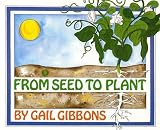
From Seed to Plant
Try This Instead

Not sure if this is the right fit?

Consider From Seed to Plant by Gail Gibbons.

Bright, picture-driven, and firmly aimed at early elementary listeners, this book walks through pollination, seed formation, and germination in clear, child-accessible steps. The strongest value is the combination of simple, age-appropriate vocabulary and colorful diagrams that make basic plant processes memorable during a single read-aloud. Its main limitation is scope: adults or older kids seeking depth or experimental instructions will find the text spare and the explanations high-level rather than detailed. No hands-on exercises are provided.

Similar books

How recommendation signals are reviewed

Each recommendation is collected from a public source — interviews, articles, or curated lists — and linked to its original URL. Books with many verifiable recommendations from respected people rank higher.

Botany in a Day

Botany in a Day

View on Amazon →