Recommended by Elon Musk and Tim O’Reilly
Check price on AmazonProof-backed recommendation
Amazon availability
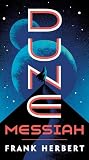
See customer reviews on Amazon →Dune Messiah moves away from the sweep and spectacle of its predecessor into a tighter, morally tangled follow-up focused on the cost of power and the mechanics of rule. Much of the reading reward comes from watching Frank Herbert complicate Paul Atreides’ choices: fewer desert set pieces, more whispered plots, political manoeuvres, and philosophical asides. What works best is its interrogation of messianic authority and unintended consequences; the main limitation is a cooler, more cerebral tone that can feel terse and talky compared with first-book spectacle.
This summary and audience guidance are AI-generated from the book's description and its recommendation history, last updated June 2026. Recommendations, quotes and sources elsewhere on this page come from published material and are not generated.
Book Two in the Magnificent Dune Chroniclesthe Bestselling Science Fiction Adventure of All TimeDune Messiah continues the story of Paul Atreides, better knownand fearedas the man christened Muad'Dib. As Emperor of the Known Universe, he possesses more power than a single man was ever meant to wield. Worshipped as a religious icon by the fana...
Difficulty:hard
Check formats, pricing, and availability options for Kindle, physical print, or audiobooks directly.
View available editions on AmazonWhy recommended
Recommended by 2 sources and appears in Books Recommended by Elon Musk, Science Fiction, and Fantasy.
People and public figures who have recommended this book.
Recommendation proof is sourced from public posts, interviews, reading lists, and cited references.

Elon Musk
Co-founder of PayPal, Tesla, SpaceX, and Neuralink
“Dune series by Herbert also brilliant. He advocates placing limits on machine intelligence.”
Check formats, pricing, and availability options directly on Amazon.
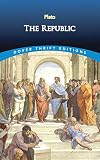
Consider The Republic by Plato. Recommended by 13 sources.
“Plato stages an extended Socratic conversation that moves from concrete questions about justice into broad proposals about an ideal city, the structure of the soul, and what counts as reality and knowledge. Reading alternates brisk question-and-answer snippets with long, cumulative demonstrations that reward careful attention and annotation. Main value: a wealth of thought experiments for testing political and ethical intuitions. Main limitation: repetitive refutations, long policy sketches and dense metaphysical passages can feel abstruse and slow; patience and some philosophical background help.”
Each recommendation is collected from a public source — interviews, articles, or curated lists — and linked to its original URL. Books with many verifiable recommendations from respected people rank higher.