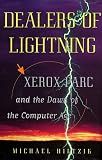
Xerox PARC and the Dawn of the Computer Age
by Michael A. Hiltzik
Recommended by 4 notable people, including Patrick Collison and Sam Altman
Check price on AmazonProof-backed recommendation
Amazon availability
See customer reviews on Amazon →Starts as a vivid inventory of inventors, projects, and lab culture at Xerox PARC, written in reporterly detail that foregrounds anecdotes and corporate memos. Main value is a textured sense of how early GUI, networking, and printing research happened and how personalities and management decisions shaped outcomes. Limitation: the narrative can dwell on minutiae and internal politics, slowing forward momentum and offering few clear takeaways for readers seeking practical lessons or modern startup playbooks. It reads like sustained magazine reporting, so detail-oriented readers are rewarded while those after a brisk how-to may be frustrated.
This summary and audience guidance are AI-generated from the book's description and its recommendation history, last updated May 2026. Recommendations, quotes and sources elsewhere on this page come from published material and are not generated.
The Barnes & Noble Review March 1999 While Gates, Jobs, and the other big boys of Silicon Valley are basking in the glory of the information age, renowned Los Angeles Times reporter Michael Hiltzik reveals how, back in the early '70s, a group of inventors at Xerox's Palo Alto Research Center (PARC) blazed the trail for all of today's indispensable ...
Difficulty:hard
Check formats, pricing, and availability options for Kindle, physical print, or audiobooks directly.
View available editions on AmazonWhy recommended
Recommended by 8 sources and appears in Most Recommended Books, Programming, and Technology.
People and public figures who have recommended this book.
Recommendation proof is sourced from public posts, interviews, reading lists, and cited references.
Check formats, pricing, and availability options directly on Amazon.
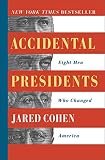
Consider Accidental Presidents by Jared Cohen. Recommended by 10 sources.
“Accidental Presidents offers eight narrative portraits of men who succeeded to the U.S. presidency without election, using anecdote-rich scenes and readable context to show how personality and circumstance interact with office power. It’s strongest as a set of self-contained stories that make succession stakes concrete for non-specialist readers; it does not prioritize dense archival argument or exhaustive methodology, so expect some interpretive generalizations and repeated themes across cases. Use it for fast historical orientation rather than scholarly deep-dives.”

Each recommendation is collected from a public source — interviews, articles, or curated lists — and linked to its original URL. Books with many verifiable recommendations from respected people rank higher.