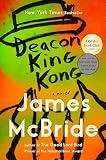
A Novel
by James McBride



Recommended by 4 notable people, including Barack Obama and Oprah Winfrey
Check price on AmazonRecommended by public sources
Amazon availability
See customer reviews on Amazon →Starts with an arresting, oddly comic crime — an old church deacon shoots someone — then unfolds as a crowded, affectionate portrait of a south Brooklyn housing project and its witnesses. The value is in the distinct, often funny voices, moral ambiguity, and slow-building empathy: short scenes and asides turn small gestures into revealing character studies. Limitation: the many detours into backstory and tonal flips between humor and grief can make the middle feel meandering; readers wanting a tight mystery may feel impatient.
This summary and audience guidance are AI-generated from the book's description and its recommendation history, last updated June 2026. Recommendations, quotes and sources elsewhere on this page come from published material and are not generated.
From James McBride, author of the National Book Awardwinning The Good Lord Bird, comes a wise and witty novel about what happens to the witnesses of a shooting.In September 1969, a fumbling, cranky old church deacon known as Sportcoat shuffles into the courtyard of the Cause Houses housing project in south Brooklyn, pulls a .45 from his pocket, an...
Difficulty:hard
Check formats, pricing, and availability options for Kindle, physical print, or audiobooks directly.
View available editions on AmazonWhy recommended
Recommended by 4 sources and appears in Historical Fiction, Most Recommended Books, and Mystery & Crime.
People and public figures who have recommended this book.
Recommendation proof is sourced from public posts, interviews, reading lists, and cited references.
Check formats, pricing, and availability options directly on Amazon.
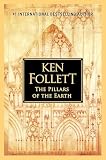
Consider The Pillars of the Earth by Ken Follett. Recommended by 5 sources.
“This sprawling, detail-rich historical novel follows cathedral builders, nobles, and townspeople across decades, delivering immersive scene-setting and a steady accumulation of plotlines. Its useful part is the sustained attention to craft—architecture, politics, rivalry—that makes the medieval world tangible. The main limitation is repetitive melodrama and swings in pacing: long, satisfying set pieces sit beside stretches that feel slow or contrived. Better read slowly rather than skimmed; readers who stick it out will find payoff in the concluding convergences.”
Each recommendation is collected from a public source — interviews, articles, or curated lists — and linked to its original URL. Books with many verifiable recommendations from respected people rank higher.