a new way to experience mindfulness for kids. Vol 1
by Mark Pallis, Christiane Kerr
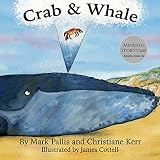
Crab and Whale is a short, illustrated picture story that uses quiet imagery and simple repetition to introduce very young listeners to basic noticing and breath language. As a read-aloud it's calming and offers caregivers a compact set of phrases to cue slowing and attention. The most useful part is its singable pace and visual calm that make it easy to fold into bedtime or a brief pause. Limitations: it's brief, story-focused and won't satisfy anyone needing structured activities or older-child material.
This summary and audience guidance are AI-generated from the book's description and its recommendation history, last updated June 2026. Recommendations, quotes and sources elsewhere on this page come from published material and are not generated.
Crab and Whale is a beautifully illustrated story, designed to subtly introduce children to the skills and practice of mindfulness. A perfect bed time or play time story and a must have on the bookshelves and kindles of all busy children. Author Christiane Kerr has 20 years experience as a Mindfulness for Kids practitioner and is the author of the ...
Difficulty:easy
Check formats, pricing, and availability options for Kindle, physical print, or audiobooks directly.
View available editions on AmazonRecommendation proof is sourced from public posts, interviews, reading lists, and cited references.
No verified recommendation proof available yet.
Check formats, pricing, and availability options directly on Amazon.
Consider The Four Agreements by Don Miguel Ruiz. Recommended by 36 sources.
“A slim, conversational guide that draws on Toltec spiritual tradition to propose four internal agreements for reducing suffering. The reading feels like listening to an encouraging elder: warm, repetitive, and full of anecdotes. Its value is in persistent reminders that most emotional pain comes from unchecked assumptions and taking things personally. The limitation is a lack of nuance and no practical exercises; it assumes you can reframe your mind through sheer intention. Without follow-up, the advice can feel like fortune-cookie wisdom.”
Each recommendation is collected from a public source — interviews, articles, or curated lists — and linked to its original URL. Books with many verifiable recommendations from respected people rank higher.