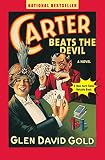
by Glen David Gold
Recommended by public sources
Amazon availability
Starts like a spectacle: lush sensory detail, backstage color, and an appetite for small theatrical wonders. What works best is its ability to conjure an era of vaudeville-era showmanship and a central stunt that keeps curiosity alive, often by trading tight plotting for atmosphere. Its main limitation is a taste for digression — long asides, ornate prose, and melodramatic turns that slow momentum and test patience. Best enjoyed by readers who like to linger in scene and voice rather than race to answers.
This summary and audience guidance are AI-generated from the book's description and its recommendation history, last updated June 2026. Recommendations, quotes and sources elsewhere on this page come from published material and are not generated.
Charles Cartera.k.a. Carter the Greatis a young master performer whose skill as an illusionist exceeds even that of the great Houdini. But nothing in his career has prepared Carter for the greatest stunt of all, which stars none other than President Warren G. Harding and which could end up costing Carter the reputation he has worked so hard to crea...
Difficulty:hard
Check formats, pricing, and availability options for Kindle, physical print, or audiobooks directly.
View available editions on AmazonWhy recommended
Recommended by 3 sources and appears in Historical Fiction, Most Recommended Books, and Mystery & Crime.
People and public figures who have recommended this book.
Recommendation proof is sourced from public posts, interviews, reading lists, and cited references.
Check formats, pricing, and availability options directly on Amazon.
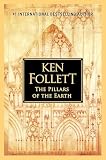
Consider The Pillars of the Earth by Ken Follett. Recommended by 5 sources.
“This sprawling, detail-rich historical novel follows cathedral builders, nobles, and townspeople across decades, delivering immersive scene-setting and a steady accumulation of plotlines. Its useful part is the sustained attention to craft—architecture, politics, rivalry—that makes the medieval world tangible. The main limitation is repetitive melodrama and swings in pacing: long, satisfying set pieces sit beside stretches that feel slow or contrived. Better read slowly rather than skimmed; readers who stick it out will find payoff in the concluding convergences.”
Each recommendation is collected from a public source — interviews, articles, or curated lists — and linked to its original URL. Books with many verifiable recommendations from respected people rank higher.