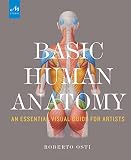
An Essential Visual Guide for Artists
by Roberto Osti
Basic Human Anatomy feels like a studio manual that moves from clear structural diagrams to practical drawing advice. Its most useful part is the steady, art-first anatomy that ties bone and muscle detail back to how marks create convincing figures, so readers can make intentional line and volume choices. The writing can be exhaustive; chapters often unpack small structural nuances that repeat similar points. That exhaustiveness becomes limiting for artists who want fast gesture improvement rather than layered reference.
This summary and audience guidance are AI-generated from the book's description and its recommendation history, last updated June 2026. Recommendations, quotes and sources elsewhere on this page come from published material and are not generated.
A comprehensive, yet flexible and holistic approach to the human body for artists, Roberto Osti's method of teaching anatomy is exhaustive, but never loses sight of the fact that this understanding should lead to the creation of art.Basic Human Anatomy teaches artists the simple yet powerful formula artists have used for centuries to draw the human...
Difficulty:hard
Check formats, pricing, and availability options for Kindle, physical print, or audiobooks directly.
View available editions on AmazonRecommendation proof is sourced from public posts, interviews, reading lists, and cited references.
No verified recommendation proof available yet.
Check formats, pricing, and availability options directly on Amazon.
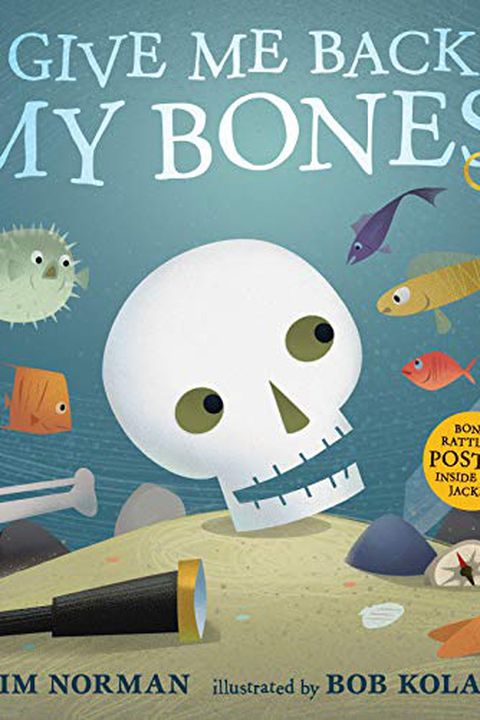
Consider Give Me Back My Bones! by Kim Norman.
“A short, rhyming picture book that sends a silly pirate skeleton on a treasure-hunt beneath the waves. The language is jaunty and built for read-alouds, and illustrations carry much of the clue-and-surprise work, so the fun comes from timing and visual payoffs as bones reappear. Its useful part is lighthearted engagement: kids laugh at the premise and point out details. Its limitation is thin explanatory content — readers looking for true-to-life anatomy or a plot-heavy tale will feel unsatisfied.”
Each recommendation is collected from a public source — interviews, articles, or curated lists — and linked to its original URL. Books with many verifiable recommendations from respected people rank higher.